
Cellulose Insulation in Irvine, CA
Energy-Saving Cellulose Insulation for Irvine, CA Homes — Licensed & Insured
Expert cellulose insulation in Irvine, CA. Blown-in & dense-pack installs meeting Title 24. Serving Woodbridge, Turtle Rock & all Orange County. Call (949) 710-2596.
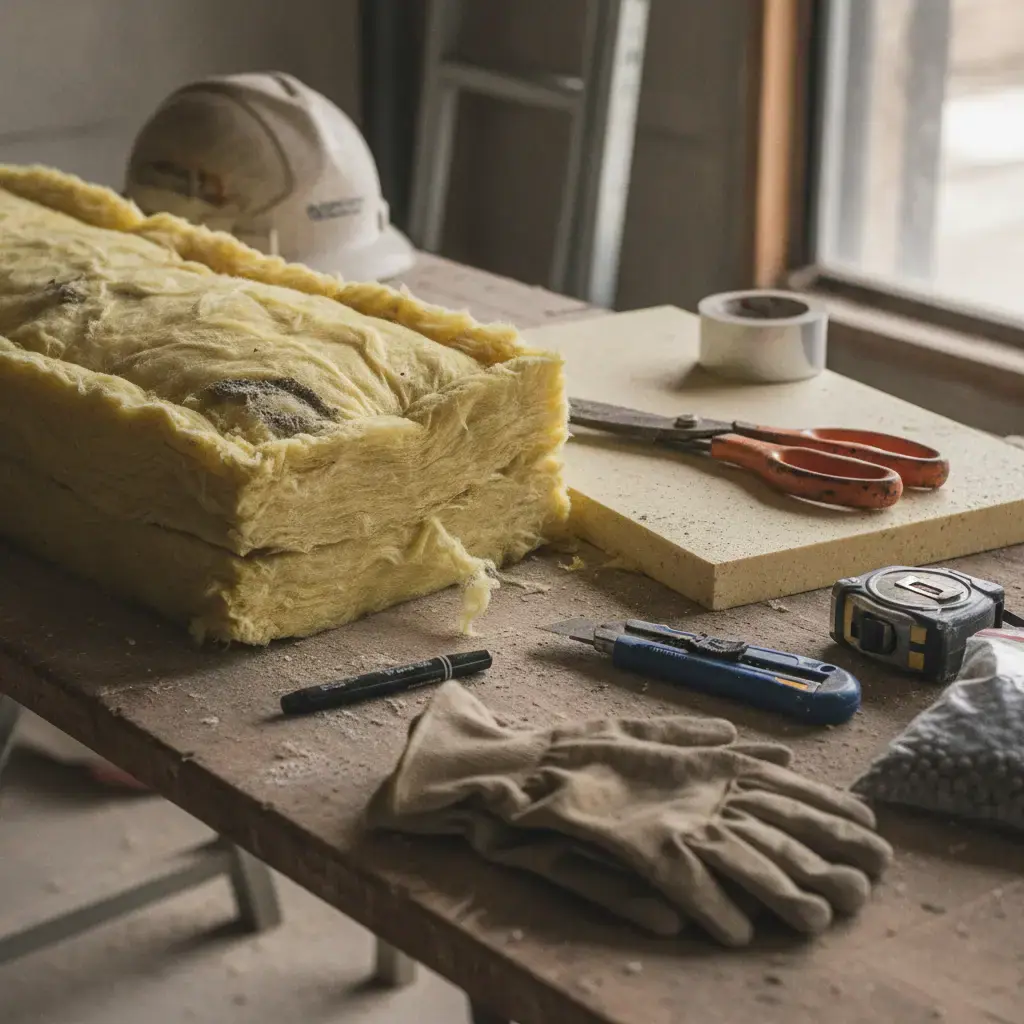
Cellulose insulation is one of the most effective, eco-friendly, and cost-efficient thermal and acoustic barriers available to homeowners and commercial property owners today. Made primarily from recycled paper fiber treated with fire-retardant chemicals, cellulose insulation fills cavities, attic floors, and wall assemblies with a dense, seamless blanket of protection that dramatically reduces heat transfer and energy loss.
In Irvine, CA, where summer temperatures regularly climb into the mid-90s and utility bills can spike dramatically between June and September, having properly installed cellulose insulation is not a luxury — it is a practical necessity. Irvine’s unique Mediterranean climate, combined with its wide variety of building types ranging from 1970s planned-community tract homes in University Park to modern mixed-use developments near the Irvine Spectrum, creates distinct insulation challenges that require local expertise.
Read moreShow less
Home Energy Saver Insulation specializes in cellulose insulation installation throughout Irvine and greater Orange County, delivering energy-efficient solutions tailored to Southern California’s specific climate demands. Call us today at (949) 710-2596 to schedule your free assessment.
Understanding Cellulose Insulation
Cellulose insulation has a longer history than most homeowners realize. The material was first developed in the early 20th century as builders looked for sustainable, affordable ways to insulate structures. By the 1970s, during the national energy crisis, cellulose insulation experienced a major resurgence as consumers and contractors sought alternatives to fiberglass batts. Today, it remains one of the most widely used blown-in insulation materials in the United States, accounting for a significant portion of all residential insulation installations annually.
Modern cellulose insulation is composed of approximately 75–85% post-consumer recycled content, primarily newsprint and cardboard. Manufacturers treat the material with borate compounds, which serve as both fire retardants and pest deterrents. This treatment gives cellulose insulation a Class 1 fire rating, making it a safe and code-compliant choice for California residential and commercial construction.
Read moreShow less
Cellulose insulation is measured in R-values, which quantify a material’s resistance to heat flow. A higher R-value means greater insulating effectiveness. For attic applications in Irvine, the U.S. Department of Energy recommends achieving between R-30 and R-60. Cellulose insulation typically delivers an R-value of approximately R-3.2 to R-3.8 per inch of thickness, making it highly competitive with fiberglass and far superior to uninsulated assemblies.
There are two primary forms of cellulose insulation used in modern construction: loose-fill (blown-in) cellulose and dense-pack cellulose. Loose-fill is most commonly installed in open attic spaces and is blown in using specialized equipment to achieve uniform depth and density. Dense-pack cellulose is injected into enclosed cavities such as wall stud bays and is compressed to a density of approximately 3.5 pounds per cubic foot, virtually eliminating air movement within the cavity.
In Irvine’s built environment, cellulose insulation is particularly well suited for the city’s dominant housing stock. The vast majority of Irvine’s residential neighborhoods were developed in planned phases starting in the 1960s and continuing through the 2000s by the Irvine Company. Many of these homes feature wood-frame construction with attic spaces that are ideal candidates for blown-in cellulose upgrades, particularly as original fiberglass batts age and compress over decades of use.
For commercial buildings near major Irvine employment centers such as the Irvine Business Complex and the UCI Research Park corridor, dense-pack cellulose provides excellent sound attenuation in addition to thermal performance — a dual benefit that standard fiberglass products cannot match at comparable cost.
Signs You Need Cellulose Insulation in Irvine
Energy and Comfort Indicators
- Monthly Southern California Edison bills exceeding $250–$350 during July and August for average-sized Irvine homes (1,600–2,200 sq ft)
- Rooms that feel noticeably hotter or cooler than others, particularly second-floor bedrooms directly below the attic
- HVAC system running continuously during afternoon hours without reaching the thermostat setpoint
- Drafts felt near recessed lighting fixtures or at the tops of interior walls during Santa Ana wind events
Physical and Visual Symptoms
- Attic insulation depth of less than 10 inches, indicating an R-value below the recommended R-38 minimum for Irvine
- Visible gaps, voids, or compressed fiberglass batts in the attic floor or wall cavities
- Staining or discoloration on ceiling drywall, suggesting moisture infiltration through an uninsulated or damaged attic assembly
- Pest activity evidence (rodent tunneling, insect nesting) in existing loose-fill or batt insulation
Urgency Indicators
- Original 1970s or 1980s insulation still in place — after 30–40 years, cellulose and fiberglass both lose significant R-value due to settling and compression
- Recent roof replacement without corresponding attic insulation inspection or upgrade
- Water intrusion event from winter rains that may have soaked existing insulation materials
Free, no-obligation estimates
Talk to Home Energy Saver Insulation
Tell us what you need and we’ll take it from there.
Our process
Our Cellulose Insulation Installation Process in Irvine
- 01
Free In-Home Assessment (Day 1 — 60 to 90 Minutes)
Our certified insulation specialists begin with a comprehensive thermal and visual inspection of your Irvine property. We measure existing insulation depth at multiple points across the attic floor, inspect for air bypasses around recessed lights and ceiling p
- 02
Proposal and Scheduling (Day 1–3)
We provide a detailed written proposal including square footage, target R-value, estimated cellulose depth, and total project cost. Most Irvine residential projects are scheduled within 3–7 business days of signed agreement, depending on seasonal demand (summe
- 03
Pre-Installation Preparation (Installation Day — 1 to 2 Hours)
Before any material is blown in, our crew seals all identified air bypass locations using fire-rated caulk and foam, installs baffles at eave vents to maintain attic ventilation per California Building Code, and protects attic hatch areas. For homes in Woodbri
- 04
Cellulose Installation (1 to 4 Hours Depending on Area)
Using truck-mounted or portable blowing machines, we install cellulose to the specified depth — typically 12–15 inches to achieve R-38 to R-49 in Irvine attic spaces. Depth guides are placed throughout the attic to ensure uniform coverage. For dense-pack appli
- 05
Quality Verification (30 Minutes)
Post-installation, we perform a depth-check audit at a minimum of one measurement point per 100 square feet, verify that eave baffles remain clear, and photograph the completed installation for your records and any utility rebate documentation required by Sout
- 06
Cleanup and Final Walkthrough (30 Minutes)
All equipment, packaging, and debris are removed. A final walkthrough with the homeowner confirms all areas are complete and all questions are answered before our crew departs.
- 07
Post-Installation Support
We assist Irvine customers in completing any applicable SCE rebate paperwork and remain available for follow-up questions about maintenance and performance monitoring.
Cellulose Insulation Methods We Use in Irvine
Loose-Fill Blown-In Cellulose (Attic Floors)
The most common application for Irvine homes. Cellulose is blown horizontally across the attic floor to achieve uniform R-38 to R-60 coverage. Particularly effective in the open attic configurations found throughout Irvine Company–built neighborhoods from University Park to Northwood. Installation is completed in a single visit and causes minimal disruption to the home below.
Dense-Pack Cellulose (Wall Cavities)
Ideal for older Irvine homes with uninsulated wood-frame walls, typically built before 1980. Material is injected under pressure through small drilled holes in the exterior sheathing or interior drywall, completely filling the stud cavity with approximately 3.5 lb/cu ft density material that resists settling and eliminates convective air movement within the wall.
Stabilized or Spray-Applied Cellulose (Cathedral Ceilings and Roof Decks)
For Irvine homes with vaulted or cathedral ceiling configurations — common in certain Shady Canyon and Quail Hill custom builds — we apply a stabilized cellulose mix that adheres to sloped surfaces without settling before a cover board is installed. This method allows these architecturally complex spaces to achieve compliant R-values without full tear-down.
Cellulose Combined with Air Sealing
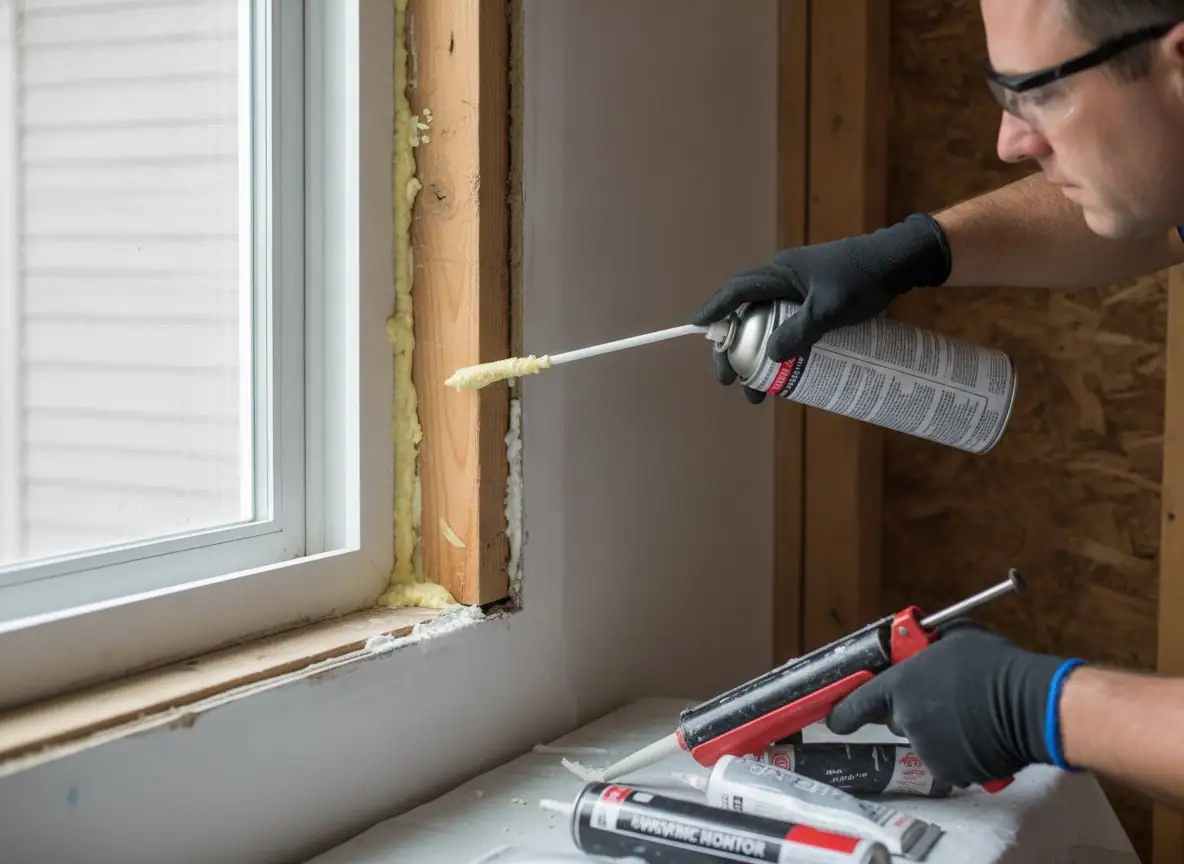
Given the documented air infiltration issues in older Irvine neighborhoods during Santa Ana wind events, we frequently pair cellulose installation with comprehensive air sealing using low-expansion spray foam at top plates, recessed light cans, and plumbing penetrations. This integrated approach maximizes both thermal and air barrier performance and is required for Southern California Edison rebate eligibility in many program tiers.
Cellulose Insulation Cost in Irvine, CA
Understanding the cost of cellulose insulation helps Irvine homeowners budget accurately and evaluate quotes fairly. Pricing varies based on several key factors unique to Southern California’s labor market and building stock.
Typical Price Ranges
- Attic loose-fill cellulose (blown-in): $1.20–$2.50 per square foot installed, depending on target R-value and existing conditions. A typical 1,800 sq ft Irvine home attic runs approximately $1,500–$3,200 for a full R-38 installation.
- Dense-pack wall cellulose: $3.00–$5.50 per square foot of wall area, including drilling, injection, and patching. A full exterior wall treatment on a 1,600 sq ft Irvine home averages $4,000–$8,000.
- Crawl space cellulose insulation: $2.50–$4.00 per square foot, often bundled with crawl space encapsulation services for maximum moisture protection.
Read moreShow less
Cost Factors in Irvine
- Existing insulation removal adds $1.00–$2.00 per square foot; see our insulation removal service for details
- Access difficulty in older Irvine homes with low attic clearance (under 30 inches) may add 10–15% to labor costs
- Southern California Edison rebates for qualifying Irvine homes can reduce out-of-pocket costs by $200–$800 depending on current program funding
- Orange County permit fees may apply for large-scale projects; we manage permit coordination on your behalf
We recommend obtaining a site-specific quote, as every Irvine home has unique attic geometry, existing insulation conditions, and Title 24 compliance requirements. Call (949) 710-2596 for a free, no-obligation estimate.
Irvine Neighborhoods We Serve
Woodbridge (Built 1975–1990)
Woodbridge is one of Irvine’s oldest planned villages, featuring single-family homes and condominiums predominantly built in the late 1970s and 1980s. Original fiberglass batt insulation in these homes has often settled below R-11 in walls and R-15 in attics — far below current standards. Blown-in cellulose top-up and dense-pack wall retrofits are the most common services we perform in this neighborhood.
Turtle Rock (Built 1971–1985)
Elevated on the San Joaquin Hills foothills, Turtle Rock homes experience stronger Santa Ana wind exposure than lower-elevation Irvine neighborhoods, making comprehensive air sealing paired with cellulose installation particularly high-impact here. Many custom and semi-custom builds in this area have complex rooflines requiring stabilized spray-applied cellulose in vaulted sections.
Northwood and Northwood II (Built 1985–2000)
Mid-era Irvine Company homes in Northwood typically have attics with adequate headroom for blown-in work. However, many have never received post-original insulation upgrades. We regularly perform R-value assessments and cellulose top-ups in this village to bring attics to current Title 24 compliance.
Great Park Neighborhoods and Portola Springs (Built 2010–Present)
Newer construction in these master-planned communities meets base Title 24 minimums but frequently benefits from cellulose supplementation, particularly in homes with complex rooflines, second-story bonus rooms, or garage ceilings adjacent to conditioned living space.
Cellulose Insulation Maintenance Tips for Irvine Homeowners
- Inspect attic insulation depth annually: Check depth in multiple locations each fall before winter rains begin. Target a minimum of 12 inches (R-38) across the entire attic floor.
- After Santa Ana events, check for displaced insulation: Powerful pressure differentials during wind events can shift loose-fill near attic vents. Redistribute or add material as needed.
- Keep attic vents clear: Irvine’s dry summer conditions cause debris accumulation at soffit vents. Blocked vents reduce ventilation effectiveness and can trap heat against the insulation layer.
- Monitor for moisture after winter rains: Orange County’s occasional heavy rain seasons — such as the atmospheric river events of January 2023 — can cause roof leaks that saturate cellulose. Wet insulation loses R-value and must be addressed promptly.
- Seal new ceiling penetrations immediately: Any new recessed lighting, exhaust fans, or HVAC modifications should be air-sealed before cellulose is disturbed or reinstalled.
- Schedule a professional inspection every 5–7 years: Even high-quality cellulose installations benefit from periodic professional re-evaluation to confirm ongoing performance.
- Pair with attic insulation inspections: Comprehensive attic health checks identify not just insulation issues but also ventilation, pest, and structural concerns that affect insulation performance.
Why Choose Home Energy Saver Insulation in Irvine
Home Energy Saver Insulation is a dedicated insulation specialist serving Irvine and all of Orange County. Unlike general contractors who offer insulation as a secondary service, our entire operation is built around delivering the highest-quality insulation installations in Southern California’s unique climate environment.
We understand the specific building stock of Irvine’s master-planned communities — from 1970s Woodbridge tract homes to contemporary Great Park Neighborhoods builds — and we tailor every installation to the actual conditions of your property rather than applying a one-size-fits-all approach.
Our full service menu includes insulation installation, spray foam insulation, attic insulation, blow-in insulation, crawl space encapsulation, crawl space insulation, insulation removal, and insulation replacement, giving Irvine homeowners a single trusted partner for all insulation needs.
Read moreShow less
We assist with Southern California Edison rebate documentation, navigate Title 24 compliance requirements, and provide transparent, itemized pricing with no hidden fees. When you choose Home Energy Saver Insulation, you are working with specialists who are as committed to your long-term energy savings as you are. Call us at (949) 710-2596.
FAQ
Frequently Asked Questions About Cellulose Insulation in Irvine, CA
How much does cellulose insulation cost in Irvine, CA?
For a typical Irvine home attic measuring 1,500–2,000 square feet, a blown-in cellulose installation to R-38 runs approximately $1,500–$3,500 depending on existing conditions, access difficulty, and whether old insulation needs to be removed first. Dense-pack wall applications typically cost $4,000–$8,000 for a full exterior wall treatment. Southern California Edison rebates can reduce these costs by $200–$800 for qualifying homes.
How long does cellulose insulation installation take in Irvine?
Most standard Irvine residential attic cellulose installations are completed in a single day — typically 3–6 hours of active installation time. Larger projects involving both attic and wall cavity treatment may take 1–2 full days. We provide a project-specific timeline during your free assessment.
Is cellulose insulation better than fiberglass for Irvine homes?
For Irvine’s specific climate and building stock, cellulose offers several advantages over fiberglass. Cellulose provides superior air infiltration resistance — critical during Santa Ana wind events — and fills irregularly shaped attic cavities more uniformly than batt products. It also contains a higher percentage of recycled material and has lower embodied energy, aligning with California’s sustainability goals. Fiberglass batts remain a suitable choice in some applications, but for attic retrofits in Irvine, blown-in cellulose is generally the higher-performing and more cost-effective option.
Does cellulose insulation meet California Title 24 requirements?
Yes. Properly installed cellulose insulation fully meets and can exceed California’s Title 24 Building Energy Efficiency Standards. For Irvine homes in Climate Zone 10 (which applies to most of Irvine’s zip codes), Title 24 requires a minimum of R-30 in attic assemblies for existing homes undergoing reroof permits. We design all installations to meet or exceed these minimums and can provide documentation for permit compliance.
How long does cellulose insulation last in Southern California’s climate?
Quality cellulose insulation installed to correct density specifications typically maintains its performance characteristics for 20–30 years. Irvine’s dry climate is actually favorable for cellulose longevity compared to more humid regions. The primary risk factors that shorten lifespan are moisture intrusion from roof leaks and pest activity, both of which we evaluate during installation to help prevent future issues.
Can cellulose insulation be installed over existing fiberglass batts in my Irvine attic?
In most cases, yes. If the existing fiberglass batts are dry, intact, and free of mold or pest contamination, blown-in cellulose can be added on top to increase the total R-value. However, if the existing material is damaged, wet, or severely compressed — which is common in Irvine homes with original 1970s and 1980s insulation — we recommend full removal via our insulation removal service before installing fresh cellulose.
Do you serve areas outside of Irvine in Orange County?
Yes. Home Energy Saver Insulation serves all of Orange County, including Fountain Valley, Huntington Beach, Santa Ana, Anaheim, Aliso Viejo, Brea, Buena Park, Costa Mesa, Fullerton, Garden Grove, Laguna Beach, Laguna Hills, Laguna Niguel, Lake Forest, Mission Viejo, Newport Beach, Tustin, and Westminster. We bring the same Irvine-specific expertise and Title 24 knowledge to every community we serve.
Are there rebates available for cellulose insulation in Irvine?
Yes. Southern California Edison periodically offers rebates for qualifying insulation upgrades in Irvine homes, particularly when installations meet specific R-value targets and are performed by registered contractors. Program availability and amounts change throughout the year. We stay current on active rebate programs and assist our Irvine customers with all required paperwork and documentation to maximize available incentives.
Get Your Free Cellulose Insulation Estimate in Irvine Today
If your Irvine home is under-insulated, you are paying more than necessary to Southern California Edison every single month — and losing comfort in every room of your home. Home Energy Saver Insulation is ready to change that with professional cellulose insulation installation tailored specifically to Irvine’s climate, building codes, and neighborhood characteristics.
Whether you live in Woodbridge, Turtle Rock, Northwood, the Great Park Neighborhoods, or anywhere in between, our team will assess your property, design an insulation solution that meets current Title 24 standards, and complete the work efficiently and professionally.
Call us now at (949) 710-2596 to schedule your free, no-obligation on-site assessment. Serving Irvine and all of Orange County — let Home Energy Saver Insulation help you start saving energy today.
Get in touch
Find insulation help near you
Request a free estimate online or give us a call — our team will follow up quickly.
- Call us(949) 710-2596
- Visit22 Thomas, Irvine, CA 92618
- HoursMon-Sun 07:00-19:00