Air Sealing in Irvine, CA
Professional Air Sealing in Irvine, CA — Licensed, Insured & Locally Owned
Professional air sealing in Irvine, CA. Blower door testing, spray foam, full diagnostics. Reduce SCE bills & wildfire smoke. Call (949) 710-2596 today.
Air sealing is the process of identifying and closing gaps, cracks, and openings in a building’s envelope that allow uncontrolled airflow between conditioned and unconditioned spaces. In Irvine, CA — where Mediterranean temperatures can swing dramatically between coastal marine layer mornings and dry inland afternoon heat — uncontrolled air infiltration drives up energy costs and undermines indoor comfort year-round.
At Home Energy Saver Insulation, we specialize in comprehensive air sealing services designed specifically for Irvine’s unique housing stock, climate conditions, and building codes. Whether you own a 1970s-era tract home in Woodbridge, a newer Irvine Company master-planned community townhouse, or a commercial building near the Irvine Spectrum, our technicians understand the specific infiltration challenges each structure presents.
Read moreShow less
Air sealing is not a DIY project. Done correctly, it requires diagnostic equipment, building science knowledge, and materials rated for Southern California’s thermal and UV conditions. Call us today at (949) 710-2596 to schedule your air sealing assessment in Irvine.
Understanding Air Sealing
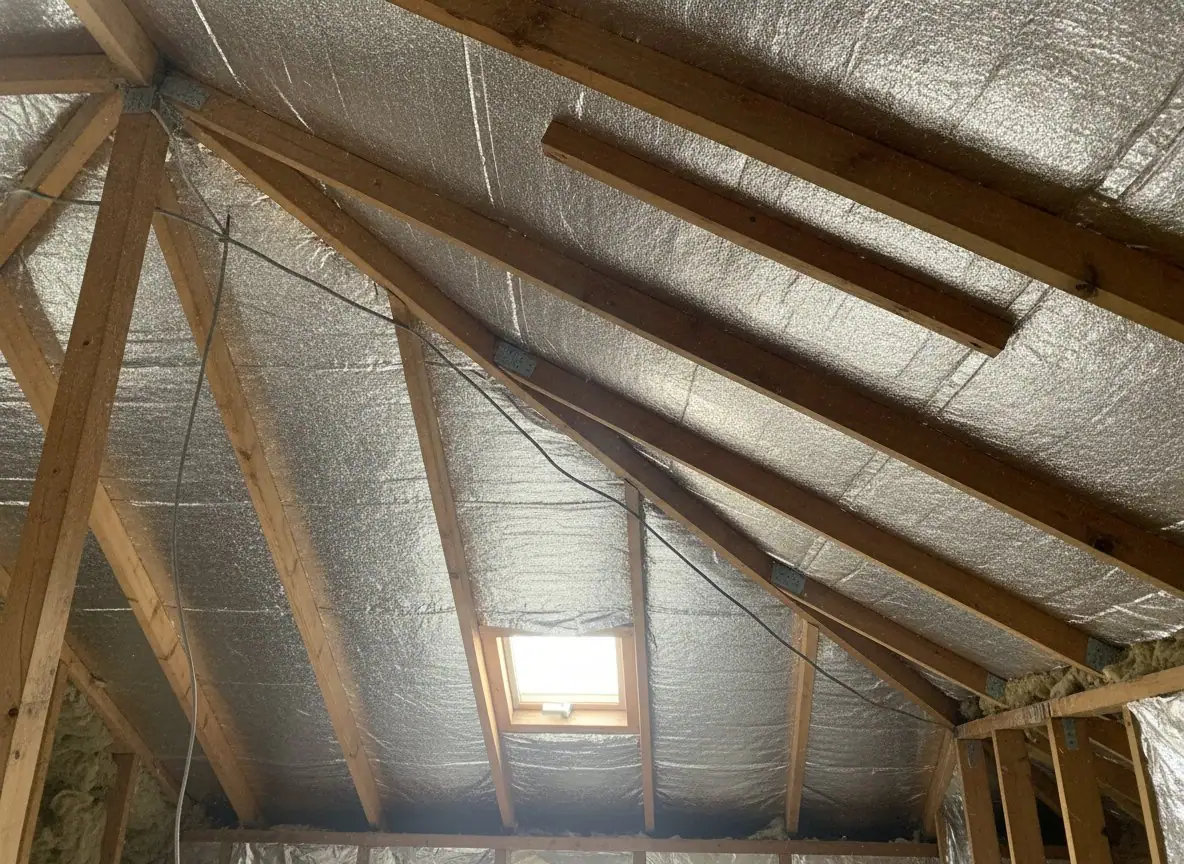
Air sealing refers to the systematic process of locating and permanently closing unintentional air pathways within a home or commercial building. These pathways — commonly called air leaks or infiltration points — allow outside air to enter and conditioned air to escape, forcing your HVAC system to work harder and increasing monthly utility costs.
The building science behind air sealing emerged as a formal discipline in the 1970s following the U.S. energy crisis. Researchers at Lawrence Berkeley National Laboratory and other institutions began quantifying how much energy was lost through air infiltration and developed blower door testing — a diagnostic standard still used today — to measure a building’s air tightness in terms of Air Changes per Hour (ACH). Modern energy codes, including California’s Title 24 Building Energy Efficiency Standards, now mandate specific air tightness thresholds for new construction, pushing contractors and homeowners alike toward professional air sealing as a baseline requirement.
Read moreShow less
In Irvine specifically, the city’s rapid development across several distinct eras — from the UC Irvine campus establishment in 1965 through the Irvine Company’s master-planned villages of the 1970s and 1980s, into the high-density infill projects of the 2000s and 2010s — means the local housing stock spans a wide range of construction practices. Older homes built before 1985 were rarely constructed with air tightness in mind and often show ACH values two to four times higher than what California Title 24 currently allows. Homes built between 1985 and 2005 are middle-of-the-road, while post-2010 construction typically meets modern standards but still benefits from targeted air sealing around penetrations and mechanical systems.
Common air infiltration points include attic hatch covers, recessed lighting fixtures, plumbing and electrical penetrations through top plates, HVAC duct connections, fireplace dampers, wall outlets on exterior walls, and gaps around window and door frames. Each of these locations represents a direct pathway for Irvine’s warm, dry air — or cool, humid coastal air — to migrate into your conditioned living space without permission.
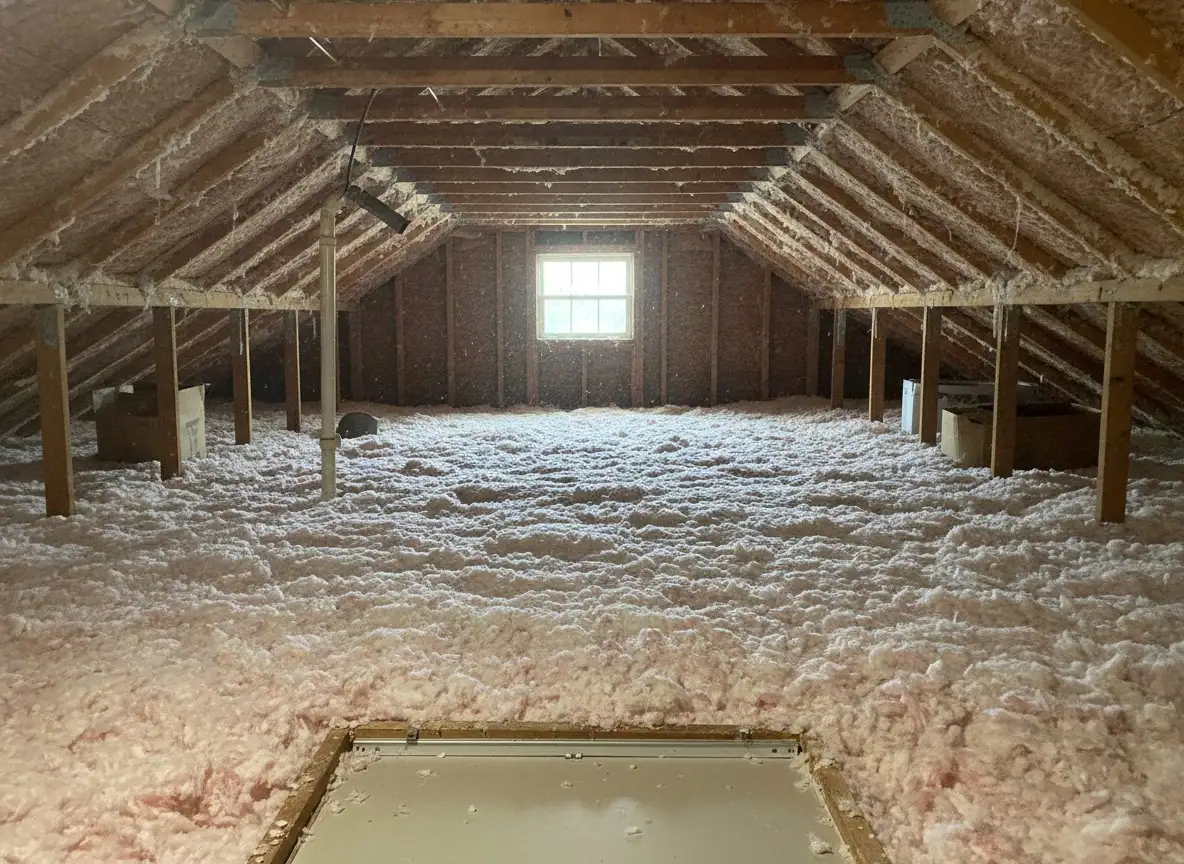
Air sealing works best when paired with attic insulation and spray foam insulation upgrades, creating a complete thermal and air control layer around your home.
Why Air Sealing Is Needed in Irvine, CA
Irvine occupies a unique climatic position within Orange County. The city sits roughly 10 miles from the Pacific Ocean, placing it in what climatologists classify as a BSk/Csa transitional zone — dry enough to experience significant inland heating but close enough to the coast to receive marine layer influence, especially from June through August during what locals call “June Gloom.” This daily temperature variability, often ranging 20–30°F between morning lows and afternoon highs during summer, creates a constant pressure differential between indoor and outdoor air that drives infiltration harder than in more thermally stable climates.
The Santa Ana Wind events that sweep through the region — typically from October through March — compound the problem significantly. During these events, wind gusts regularly exceed 40–60 mph across the Irvine area, with recorded gusts at John Wayne Airport exceeding 70 mph during major events. High wind pressure forces outside air through every crack and gap in a building’s envelope, overcoming even moderate insulation strategies. Homes in communities like Turtle Ridge and Quail Hill, which sit at higher elevations on the flanks of the San Joaquin Hills, are particularly exposed to Santa Ana conditions and show measurably higher infiltration rates during these periods.
Read moreShow less
Irvine’s soils present another layer of complexity. Much of the city sits on expansive Diegan coastal sage scrub soils and decomposed granite subsoils that shift seasonally as they dry and rehydrate. This ground movement causes minor structural movement in slab foundations — common throughout Irvine’s master-planned villages — which over time widens gaps at bottom plates, around utility penetrations, and at the junction between drywall and framing. Homes in Northpark, built primarily between 1998 and 2004, frequently show infiltration at these locations as the buildings have now cycled through two decades of seasonal soil movement.
Indoor air quality is a particularly pressing concern in Irvine given the city’s position downwind of the 405 and 5 freeway corridors and proximity to John Wayne Airport flight paths. The South Coast Air Quality Management District (SCAQMD) regularly issues Air Quality Alerts for the area, particularly during wildfire smoke events like the 2020 Silverado Fire and 2018 Woolsey Fire, both of which blanketed Irvine with hazardous particulate matter for multiple days. A properly air-sealed home provides a meaningful barrier against smoke infiltration, reducing indoor PM2.5 concentrations significantly compared to leaky homes.
California’s tiered electricity pricing from Southern California Edison — which serves Irvine — means that energy waste from air infiltration hits Irvine homeowners harder financially than in states with flat-rate utility billing. Homes in the Summer On-Peak period (4–9 PM, June through September) face the highest electricity rates, precisely when unconditioned hot air infiltration forces air conditioners to run longest. Studies from the California Energy Commission estimate that air sealing combined with insulation can reduce HVAC energy consumption by 15–30% in homes matching Irvine’s typical construction profile.
Irvine’s HOA-dense environment — over 80% of residential properties are governed by homeowners associations — also creates specific challenges. Many HOAs restrict exterior modifications, making interior air sealing strategies particularly valuable for achieving energy performance without triggering HOA approval processes.
Free, no-obligation estimates
Talk to Home Energy Saver Insulation
Tell us what you need and we’ll take it from there.
Signs You Need Air Sealing in Irvine
Comfort and Temperature Problems
- Rooms that feel stuffy or drafty even when your HVAC system is running
- Noticeable temperature differences greater than 3–4°F between rooms on the same floor
- Cold floors in winter mornings, particularly in slab-on-grade homes common in Irvine’s Woodbridge and University Park neighborhoods
- Persistent drafts near electrical outlets, recessed lights, or baseboards
Energy and Utility Indicators
- Monthly SCE electricity bills that spike disproportionately during June–September heat events
- HVAC system running nearly continuously during Santa Ana Wind events
- Your home was built before 1990 and has never had an energy audit
Indoor Air Quality Symptoms
- Smoke smell penetrating indoors during nearby wildfire events or high-AQI days
- Dust accumulation on horizontal surfaces faster than expected
- Musty odors suggesting unconditioned crawl space or attic air is entering living areas
Urgent Warning Signs
- Visible gaps around attic hatches, pipe penetrations, or recessed lights in the ceiling
- Blower door test results showing ACH50 greater than 7.0 (roughly double the California Title 24 standard)
- Condensation on interior walls or windows during summer mornings
Our process
Our Air Sealing Process in Irvine
- 01
Initial Consultation and Home Assessment (30–60 Minutes)
Our technician visits your Irvine property and conducts a visual walkthrough, reviewing construction type, age, HVAC configuration, and any prior insulation or energy work. We discuss your comfort complaints and utility history. This step is free for Irvine-ar
- 02
Blower Door Diagnostic Testing (1–2 Hours)
We install a calibrated blower door fan in your home’s primary entry point and depressurize the building to 50 Pascals of pressure. This reveals every infiltration point by making air movement visible and measurable. In Irvine homes, we consistently find the h
- 03
Infrared Thermography Scan (1 Hour)
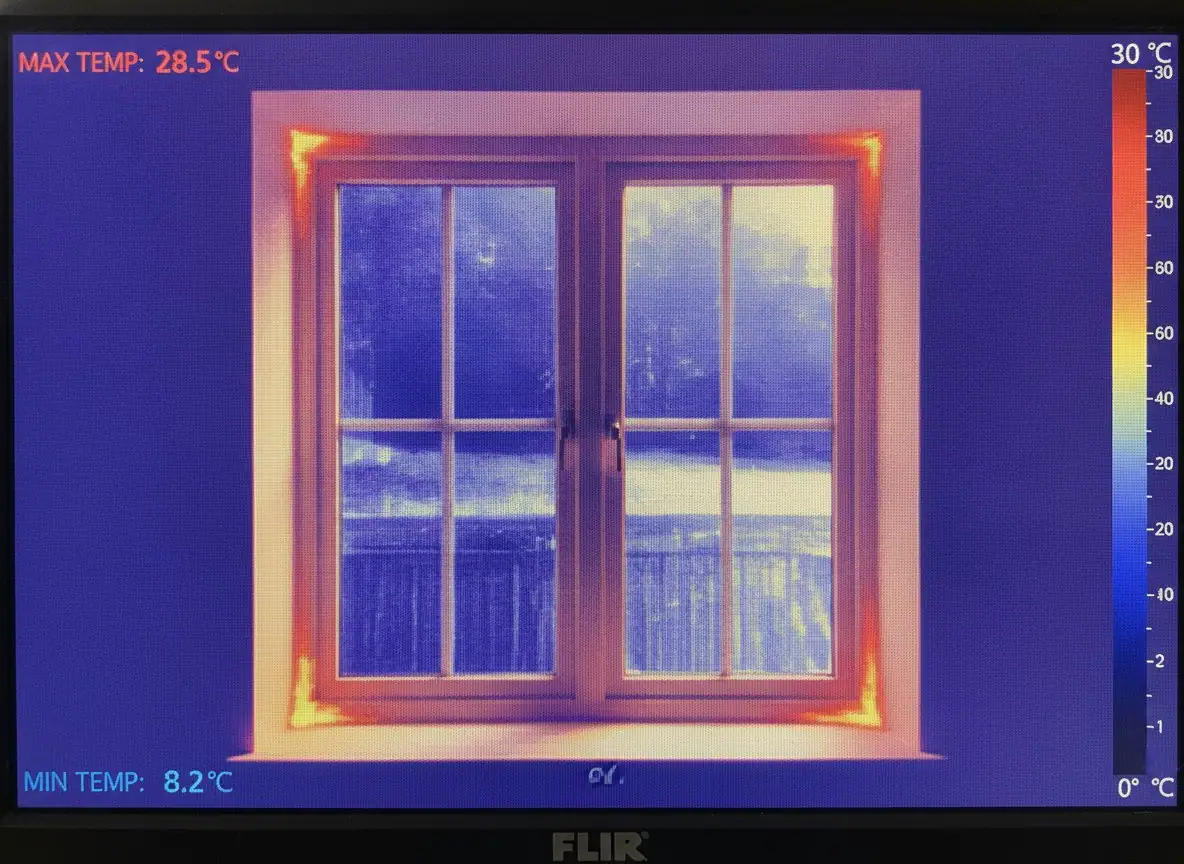
Using a FLIR thermal imaging camera, we map temperature anomalies across walls, ceilings, and floors while the blower door runs. This step is particularly valuable in Irvine’s stucco-clad homes, where exterior infiltration pathways are hidden behind finish mat
- 04
Customized Sealing Plan and Material Selection (Same Day)
Based on diagnostic results, we prepare a location-specific sealing plan identifying every penetration, joint, and gap requiring treatment. We select materials — two-component spray foam, fiberglass batt stuffing, caulk, foam board, or weatherstripping — appro
- 05
Air Sealing Work (4–8 Hours for Average Irvine Home)
Our technicians methodically seal each identified location, beginning at the attic plane and working down through wall cavities and crawl spaces. Attic top plates, the single highest-impact location in most Irvine homes, receive two-component spray foam applie
- 06
Post-Sealing Verification (1 Hour)
We repeat the blower door test after sealing to quantify improvement. We target a minimum 20–30% reduction in ACH50 and provide you with before-and-after documentation for utility rebate applications with SCE or the Energy Upgrade California program.
- 07
Written Report and Rebate Documentation (Delivered Within 48 Hours)
We provide a complete written report of work performed, materials used, and measured results — documentation required for applicable SCE rebates and California HERO financing programs.
Air Sealing Methods and Approaches
Two-Component Spray Foam (Closed-Cell and Open-Cell)
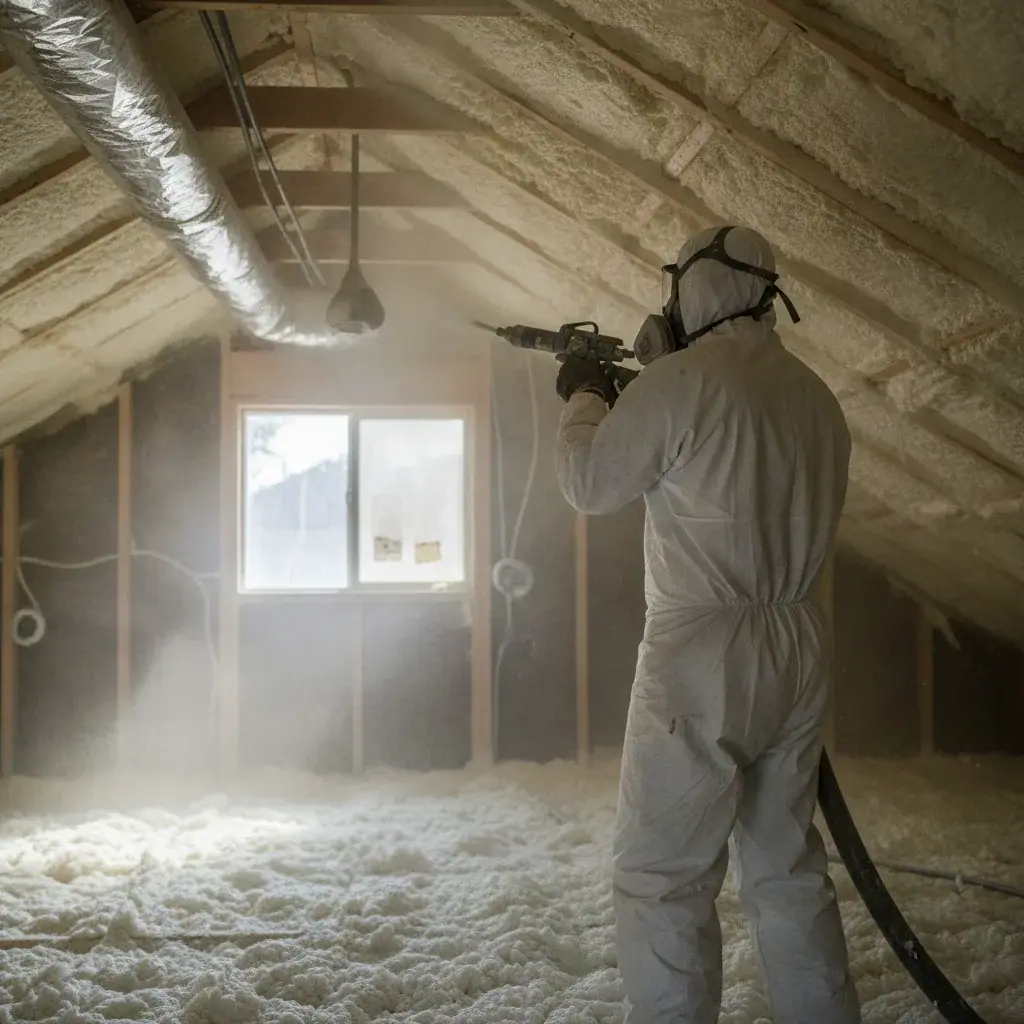
The most effective sealing method for large and irregular gaps, two-component spray foam expands to fill voids and creates an airtight, durable bond. Closed-cell spray foam (2 lb density) is preferred for areas exposed to Irvine’s temperature extremes, including rim joists, attic hatches, and any location near the exterior. Open-cell foam works well for interior penetrations and top plate sealing where flexibility is needed. This method pairs with our spray foam insulation services.
Caulking and Sealants
For smaller gaps around window frames, door casings, and plumbing penetrations, we use paintable acrylic latex caulk or silicone sealant rated for Southern California’s UV exposure and temperature cycling. This is the standard approach for Irvine’s stucco exterior walls where minor cracking at window headers is common.
Weatherstripping and Door Sweeps
Doors and operable windows account for a surprising share of infiltration in Irvine’s older master-planned community homes. We install compression or V-strip weatherstripping and door sweeps rated for high-cycle use, targeting entries that face prevailing Santa Ana wind directions.
Rigid Foam Board Sealing
For large, flat areas like attic hatch covers and pull-down stair assemblies — extremely common in Irvine homes built before 2000 — rigid polyisocyanurate foam board is cut to fit and sealed with spray foam at the perimeter, creating an insulated air barrier assembly.
Mastic Sealant for Duct Systems
HVAC duct systems in Irvine attics are a major source of conditioned air loss. Water-based mastic sealant applied to duct joints and seams prevents cooled air from escaping into unconditioned attic spaces before it reaches your living areas.
Air Sealing Cost in Irvine, CA
Understanding the cost of air sealing in Irvine requires looking at both the scope of work and the specific characteristics of your home. Here is a breakdown of typical pricing ranges our customers encounter:
Typical Price Ranges
- Basic Air Sealing (Attic Top Plates + Critical Penetrations Only): $500–$900 for homes under 1,800 sq ft
- Comprehensive Air Sealing (Full Diagnostic + All Identified Locations): $900–$2,500 for average Irvine single-family homes (1,800–3,000 sq ft)
- Air Sealing + Attic Insulation Package: $2,000–$5,500 depending on attic size and current insulation levels
- Blower Door Test (Standalone Diagnostic): $200–$350, often credited toward sealing work
- Crawl Space Air Sealing and encapsulation combined: $1,500–$4,000
Read moreShow less
Factors Affecting Irvine Air Sealing Costs
- Home age: Pre-1985 homes in areas like University Park and Woodbridge typically require 30–50% more sealing labor than post-2000 construction
- Number of recessed lights: Each recessed can light requires individual attention; homes with 20+ fixtures add $200–$400
- Attic accessibility: Irvine townhomes and condos with limited attic access require additional time and specialized application tools
- HVAC duct condition: Aging flex duct with multiple loose connections adds to scope
- Crawl space presence: Homes in older Irvine neighborhoods with partial crawl spaces require additional sealing at the underfloor plane
Rebates and Incentives
Southern California Edison (SCE) offers rebates for qualifying air sealing and insulation projects under its Energy Efficiency Programs, potentially reducing out-of-pocket costs by $200–$500. Energy Upgrade California whole-home rebates may apply for comprehensive projects. Call (949) 710-2596 and we will help you identify applicable incentives for your Irvine home.
Irvine Neighborhoods We Serve
Woodbridge (Built 1970s–1990s)
One of Irvine’s original master-planned villages, Woodbridge homes were constructed before modern air tightness standards and commonly show ACH50 values of 8.0–12.0 — significantly above the California Title 24 target of 5.0. Single-story ranch-style homes here have large attic planes with dozens of top plate penetrations requiring spray foam sealing. The proximity to Woodbridge Lake also means higher humidity on early mornings, making duct sealing particularly important to prevent condensation inside duct systems.
Northpark and Northpark Square (Built 1998–2006)
These communities feature attached and detached homes with complex rooflines and multiple HVAC zones. Soil movement at slab perimeters has created infiltration pathways at bottom plates in many units. Party walls between attached units are common air transfer paths that require targeted sealing.
Turtle Ridge and Quail Hill (Built 2000–2010)
Elevated terrain communities with greater exposure to Santa Ana Wind events. Homes here benefit most from comprehensive air sealing given the higher wind pressure loads. Many properties in this area already have higher-grade insulation but lack air control layers at attic hatches and recessed lighting.
Great Park Neighborhoods (Built 2015–Present)
Irvine’s newest development zone features homes built to current Title 24 standards, but air sealing upgrades at duct systems, fireplace surrounds, and attached garage top plates remain valuable. We also serve the newer multi-family structures in this area.
Air Sealing Maintenance Tips for Irvine Homeowners
- Inspect weatherstripping annually in October before Santa Ana Wind season begins. Replace any weatherstripping showing compression set, cracking, or gaps greater than 1/16 inch.
- Check attic hatch covers each spring after the rainy season. Thermal cycling from Irvine’s warm summers can cause rigid foam board covers to warp or shift, breaking the air seal.
- Reseal any new penetrations immediately. Any time a plumber, electrician, or cable technician runs new lines through walls or ceilings, ensure the penetration is sealed with fire-rated caulk or foam before the work area is closed.
- Monitor interior humidity levels. If indoor relative humidity exceeds 55% during summer mornings, this may indicate outdoor humid air infiltration bypassing your air sealing. Target 40–50% RH indoors.
- Inspect garage-to-house door seals. The door between an attached garage and living space is a frequent infiltration and exhaust pathway. Test annually by holding a piece of tissue near the door perimeter while running the blower door or simply during a windy day.
- Schedule a professional re-inspection every 5–7 years, particularly after any significant remodeling work or after major Santa Ana Wind events that may have stressed building envelope connections.
- Review your SCE bills each January. A sudden increase in heating costs (Irvine uses heat pumps and gas furnaces) without lifestyle changes may indicate new infiltration pathways have developed.
Why Choose Home Energy Saver Insulation for Air Sealing in Irvine
Home Energy Saver Insulation focuses exclusively on the Orange County market, giving our technicians deep familiarity with Irvine’s specific housing stock, HOA requirements, and climate conditions that national chains simply cannot match. We understand the difference between a 1975 Woodbridge ranch home and a 2018 Great Park townhouse — and we approach each project with the diagnostic rigor each demands.
We use professional blower door equipment and FLIR thermal imaging on every comprehensive air sealing project, ensuring we find infiltration points that a visual inspection alone would miss. Our technicians are trained in building science principles, not just material application.
We serve all of Irvine and the broader Orange County region including Fountain Valley, Huntington Beach, Santa Ana, Anaheim, Newport Beach, Mission Viejo, and surrounding communities. Every project begins with honest diagnostic results and transparent pricing before any work is authorized.
Read moreShow less
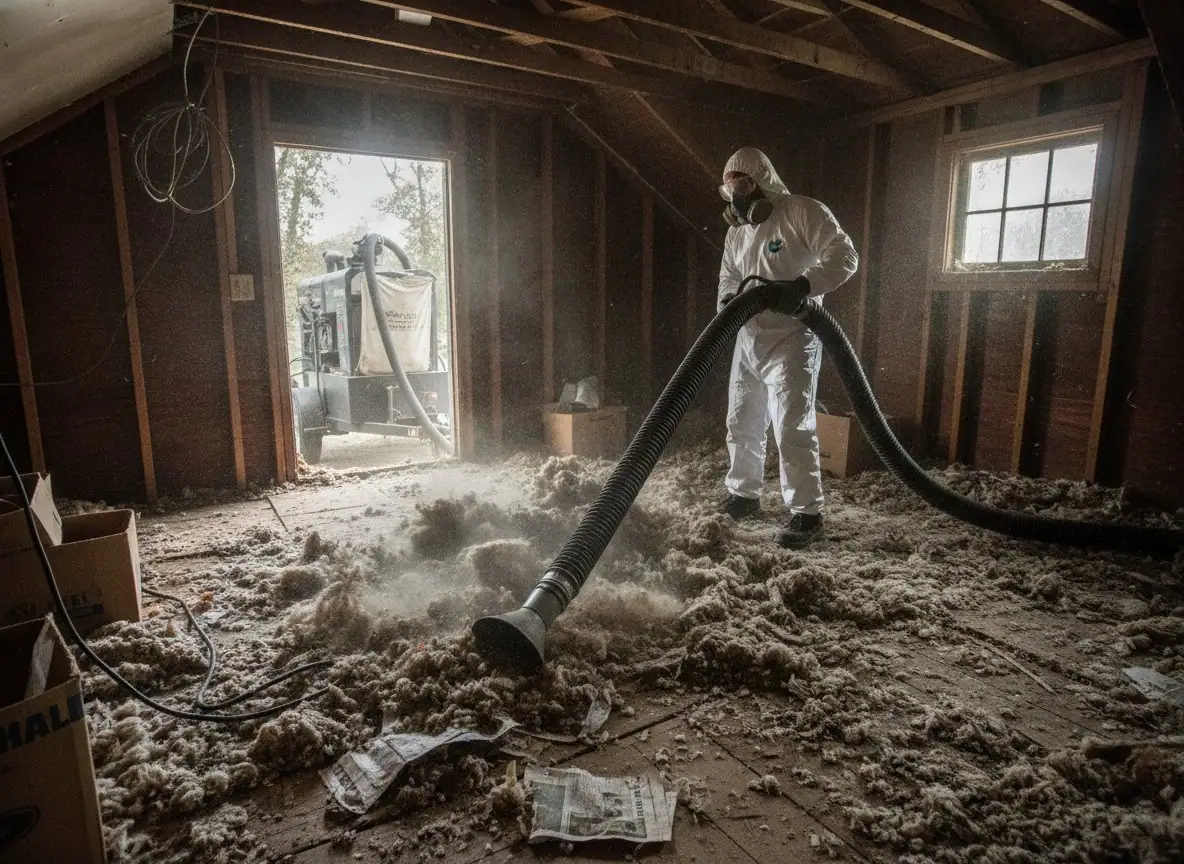
Our full range of related services — including insulation installation, insulation removal and replacement, and crawl space insulation — means we can address your home’s complete thermal envelope in a single coordinated project. Call (949) 710-2596 to speak with an Irvine air sealing specialist today.
FAQ
Frequently Asked Questions About Air Sealing in Irvine, CA
How much does air sealing cost in Irvine, CA?
Air sealing in Irvine typically costs between $500 and $2,500 for a single-family home, depending on the size of the home, the number of identified infiltration points, and whether the project is combined with insulation work. Comprehensive projects that include blower door diagnostics, thermal imaging, and full attic air sealing with insulation can range from $2,000–$5,500. SCE rebates and Energy Upgrade California incentives can reduce net costs for qualifying projects.
How long does air sealing take in an Irvine home?
For a typical Irvine single-family home between 1,500 and 2,500 square feet, the full process — including diagnostic testing, sealing work, and post-verification — takes one full day (6–8 hours). Larger homes or those with crawl spaces may require two days. We schedule most Irvine projects within 5–10 business days of initial contact.
Is air sealing worth it in Southern California’s mild climate?
Yes — Irvine’s climate is deceptively demanding on home energy systems. The daily temperature swing of 20–30°F during summer, combined with Santa Ana Wind events and SCE’s tiered electricity pricing, means even a moderate improvement in air tightness translates to meaningful savings. Most Irvine homeowners see 15–25% reductions in HVAC energy consumption after comprehensive air sealing and insulation upgrades.
Will air sealing help with wildfire smoke in Irvine?
Yes. During events like the 2020 Silverado Fire and similar incidents affecting the Irvine area, a well-air-sealed home provides measurably better protection against smoke infiltration than a leaky one. While no home is perfectly airtight, reducing ACH50 from 10.0 to 5.0 roughly halves the rate at which outside air — including smoke-laden air — enters the living space. Pairing air sealing with MERV-13 filtration in your HVAC system provides the best smoke protection available without a dedicated air purification system.
Can I air seal my home myself in Irvine?
Some minor tasks — like replacing weatherstripping or caulking visible gaps around windows — are suitable for DIY. However, the highest-impact locations (attic top plates, recessed light fixtures, duct connections) require professional equipment and materials to seal correctly. Improper sealing can also create moisture problems if vapor barriers are disrupted. We recommend a professional blower door diagnostic before any significant DIY work to ensure you target the right locations.
Does air sealing require HOA approval in Irvine?
In most cases, no. Air sealing is an interior or concealed-space improvement that does not alter the exterior appearance of your home, and most Irvine HOAs do not require approval for interior energy improvements. We recommend reviewing your specific HOA’s CC&Rs if any work involves attic vents or exterior penetrations, as these may require notification or approval.
What is the difference between air sealing and insulation?
Insulation slows the transfer of heat through solid materials (walls, ceilings, floors) by resistance (R-value). Air sealing stops the movement of air — and the heat, moisture, and pollutants it carries — through gaps and openings. Both are necessary for a high-performance building envelope; insulation without air sealing is like a warm coat with no zipper. Attic insulation upgrades are most effective when combined with air sealing of the attic plane first.
Do you serve areas outside Irvine in Orange County?
Yes. Home Energy Saver Insulation serves all of Orange County, including Fountain Valley, Huntington Beach, Santa Ana, Anaheim, Aliso Viejo, Brea, Buena Park, Costa Mesa, Fullerton, Garden Grove, Laguna Beach, Laguna Hills, Laguna Niguel, Lake Forest, Mission Viejo, Newport Beach, Tustin, and Westminster. All diagnostic and air sealing services are available throughout our service area.
Schedule Your Air Sealing Service in Irvine Today
If your Irvine home feels drafty, your SCE bills are higher than your neighbors’, or you want to protect your family from wildfire smoke and Santa Ana Wind infiltration, professional air sealing is the most effective first step. Home Energy Saver Insulation is ready to provide a thorough diagnostic assessment and complete air sealing solution tailored to your specific home and neighborhood.
Call us now at (949) 710-2596 to speak with an Irvine air sealing specialist and schedule your blower door assessment. We serve all Irvine villages and communities throughout Orange County. Ask about available SCE rebates that may apply to your project — we will help you navigate the paperwork from start to finish.
Home Energy Saver Insulation — Irvine’s local air sealing and insulation experts.
Get in touch
Find insulation help near you
Request a free estimate online or give us a call — our team will follow up quickly.
- Call us(949) 710-2596
- Visit22 Thomas, Irvine, CA 92618
- HoursMon-Sun 07:00-19:00