
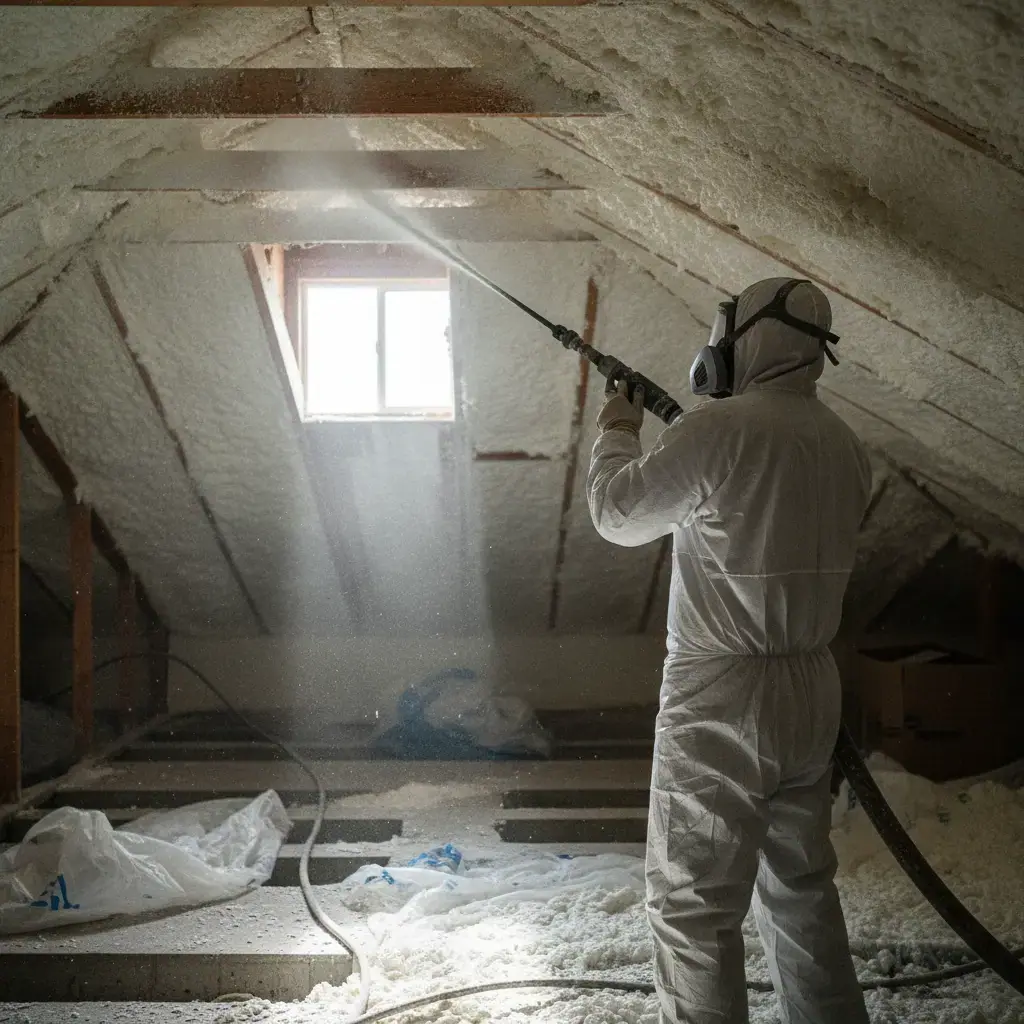
Garage Insulation in Irvine, CA
Energy-Saving Garage Insulation for Irvine, CA Homes — Licensed & Insured
Need garage insulation in Irvine, CA? Home Energy Saver Insulation offers spray foam, batts & more. Call (949) 710-2596 for a free quote in Orange County.
Garage insulation is the process of installing thermal and acoustic barrier materials within garage walls, ceilings, and doors to regulate temperature, reduce energy loss, and improve overall comfort. In Irvine, CA, where summer temperatures regularly climb above 90°F and the Santa Ana winds create dramatic seasonal swings, an uninsulated garage becomes one of the largest sources of energy waste in your home.
At Home Energy Saver Insulation, we specialize in professional garage insulation solutions tailored specifically for Irvine’s Mediterranean climate, diverse housing stock, and strict Title 24 energy code requirements. Whether your garage is attached to your living space, converted into a workspace, or used as a conditioned bonus room, proper insulation dramatically lowers your utility bills and keeps your family comfortable year-round.
We proudly serve homeowners throughout Irvine and greater Orange County. Call us today at (949) 710-2596 to schedule your free garage insulation assessment.
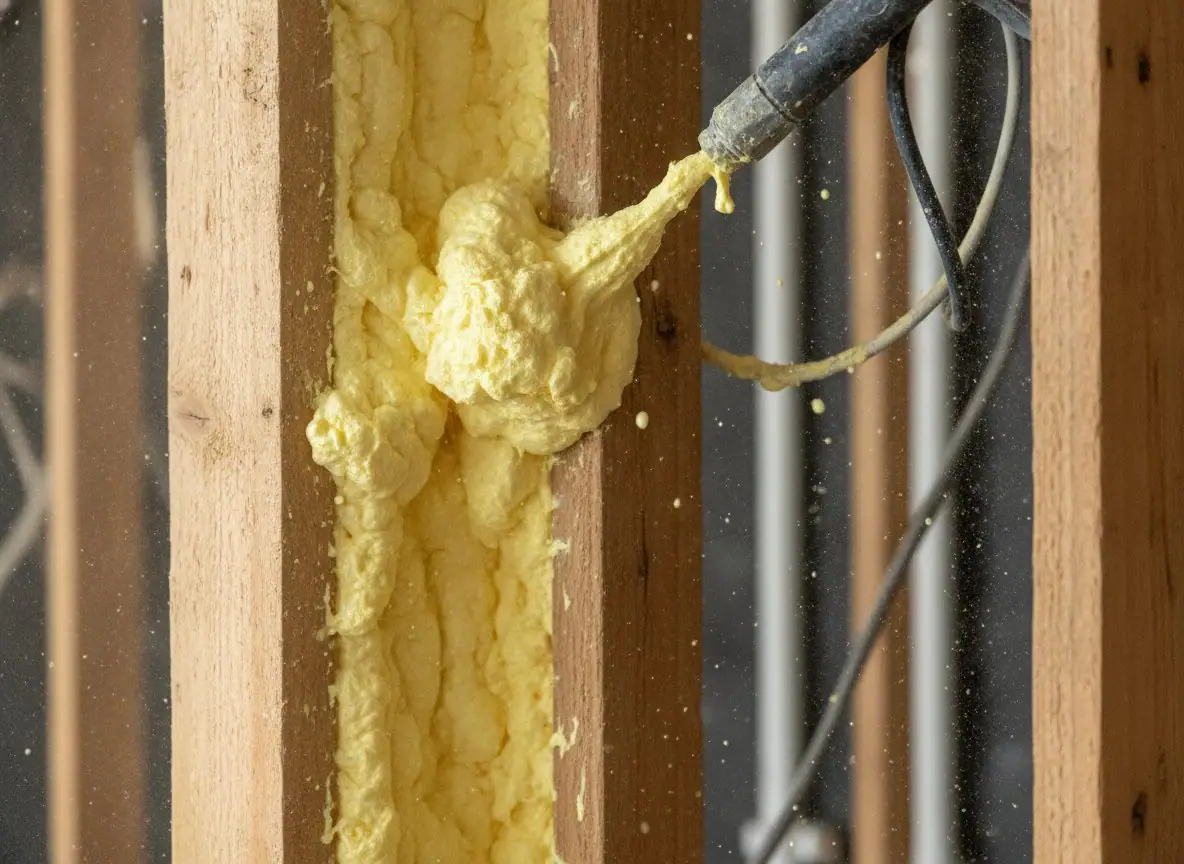
Understanding Garage Insulation in Irvine, CA
Garage insulation refers to the strategic application of insulating materials — including fiberglass batts, spray foam, blown-in cellulose, and rigid foam boards — to the interior surfaces of a garage structure. The goal is to create a thermal envelope that slows heat transfer between the garage interior and the outside environment, as well as between the garage and the adjacent living areas of your home.
Historically, garages were considered unconditioned spaces where insulation was optional or even unnecessary. Building codes from the mid-20th century reflected this assumption. However, as energy costs rose and California adopted increasingly rigorous energy efficiency standards — culminating in the current Title 24, Part 6 California Energy Code — the importance of insulating attached garages became impossible to ignore. In Orange County communities like Irvine, where the city itself was master-planned beginning in 1960 by the Irvine Company, entire neighborhoods were built across multiple decades with varying levels of insulation compliance.
Read moreShow less
Irvine’s housing stock spans a remarkably wide range of eras and construction types. Homes in older villages like Turtle Rock and University Park, developed in the 1970s and early 1980s, often feature garages with single-layer drywall, no insulation in the walls, and hollow-core garage doors. Newer villages such as Portola Springs and Stonegate, developed in the 2000s and 2010s, tend to have better baseline insulation but still benefit from upgraded spray foam applications and door insulation to meet modern efficiency expectations.
In Irvine, the garage is frequently more than a place to park a car. Many residents use their garages as home gyms, workshops, hobby studios, or home offices — particularly following the remote-work shift of the early 2020s. When a garage serves as a functional living or working space, the need for proper insulation becomes critical rather than merely beneficial. Additionally, because most Irvine homes are attached-garage designs with shared walls adjoining bedrooms, kitchens, or living rooms, an uninsulated garage wall acts as a direct thermal bridge drawing conditioned air out of your home.
Understanding R-values is essential when planning garage insulation. R-value measures a material’s resistance to heat flow — the higher the R-value, the greater the insulating power. For Irvine’s Climate Zone 8, the California Energy Commission recommends minimum R-13 for walls and R-30 for ceilings in attached garage applications, though many energy efficiency experts recommend exceeding these minimums for optimal results.
Why Garage Insulation Is Needed in Irvine, CA
Irvine’s Mediterranean Climate and Extreme Temperature Swings
Irvine sits within California’s Climate Zone 8, characterized by warm, dry summers and mild, wet winters. Summer daytime temperatures in Irvine frequently reach 90°F to 98°F, particularly in inland neighborhoods like Woodbury, Northwood, and Portola Springs that are situated farther from the cooling ocean influence of the Pacific. An uninsulated garage in these areas can reach interior temperatures of 130°F to 140°F on a hot summer afternoon — temperatures that radiate directly through shared walls into adjacent bedrooms and kitchens, forcing your HVAC system to work significantly harder.
Santa Ana Wind Events
Irvine experiences recurring Santa Ana wind events, typically between October and March, during which hot, dry winds descend from the inland desert and push temperatures into the 80s and 90s even in winter months. The October 2017 and October 2019 wildfire events associated with Santa Ana conditions highlighted how dramatically these winds alter the local thermal environment. During Santa Ana episodes, uninsulated garages experience rapid temperature spikes, and the dry air aggressively draws moisture from any materials inside — including stored items, vehicles, and wood-framed walls — accelerating deterioration over time.
The Urban Heat Island Effect in the Irvine Business Complex Area
Portions of Irvine — particularly neighborhoods near the Irvine Business Complex, the Spectrum Center, and the Great Park development — experience measurable urban heat island effects due to the concentration of commercial structures, parking lots, and hardscaping. Research from the University of California Irvine’s urban climate studies has documented temperature differentials of 4°F to 7°F between urban core areas and more vegetated residential neighborhoods. Homes in these transitional zones face compounded thermal loads that make garage insulation a priority upgrade.
Coastal Humidity and Condensation in Coastal-Adjacent Villages
Neighborhoods closer to the coast, such as Turtle Rock and University Park, experience marine layer conditions that bring evening and morning humidity levels above 80% from May through September — a phenomenon locals call “June Gloom” that extends well into July and August. This moisture infiltrates uninsulated garages, promoting condensation on metal surfaces, mold growth on drywall, and corrosion of stored equipment. Proper insulation combined with air sealing creates a vapor barrier effect that protects your garage and its contents from this seasonal humidity cycle.
California Title 24 and Energy Code Compliance
California’s Title 24 energy efficiency standards are among the strictest in the nation. When Irvine homeowners undertake permitted renovations — garage conversions, ADU additions, or major remodels — the building permit process requires insulation upgrades to bring the structure into Title 24 compliance. Proactively insulating your garage before undertaking these projects reduces permit complications and helps you avoid costly change orders during construction.
Free, no-obligation estimates
Talk to Home Energy Saver Insulation
Tell us what you need and we’ll take it from there.
Signs You Need Garage Insulation in Irvine
Temperature and Comfort Indicators
- Rooms adjacent to your garage — particularly first-floor bedrooms and kitchens — feel noticeably hotter in summer than the rest of your home
- Your garage reaches uncomfortably hot temperatures within an hour of the sun hitting it, even with the door closed
- You notice cold drafts near the shared wall between your garage and living space during winter months
- Your HVAC system runs constantly but struggles to maintain target temperatures in rooms near the garage
Moisture and Structural Warning Signs
- Visible condensation on garage walls or the underside of the garage ceiling during morning hours
- Musty odors inside the garage, particularly after June Gloom periods in spring and summer
- Peeling paint or bubbling drywall on the shared wall between the garage and home interior
- Rust forming on stored metal items, tools, or vehicle components
Energy Cost Red Flags
- Unexplained spikes in your SoCal Edison electricity bill during July, August, and September
- Your energy bills are significantly higher than neighbors with similar-sized homes
- Your home fails an energy audit with heat loss identified at the garage-to-living-space boundary
Urgency Indicators
If your garage is being converted to an ADU or conditioned workspace, insulation is legally required under California building code. Contact us at (949) 710-2596 immediately to schedule a pre-permit assessment.
Our process
Our Garage Insulation Process in Irvine
Our installation process is designed to be thorough, minimally disruptive, and fully compliant with Irvine’s building standards and Title 24 requirements.
- 01
Free In-Home Assessment (1–2 Hours)
Our technician visits your Irvine home and conducts a comprehensive evaluation of your garage’s current insulation status, construction type, shared wall configuration, and ventilation. We note whether your home falls in a higher-humidity coastal village like
- 02
Energy Audit and R-Value Planning (Same Day)
We calculate your current thermal performance and identify the target R-values for your specific Climate Zone 8 location. We provide a written report outlining recommended insulation types, projected R-values, and estimated energy savings based on Irvine’s ave
- 03
Material Selection and Scheduling (1–3 Business Days)
Based on your garage’s construction and your goals — whether comfort, energy savings, noise reduction, or ADU compliance — we select the appropriate insulation materials and schedule your installation date. Most Irvine residential garage insulation projects ar
- 04
Site Preparation and Air Sealing (2–4 Hours)
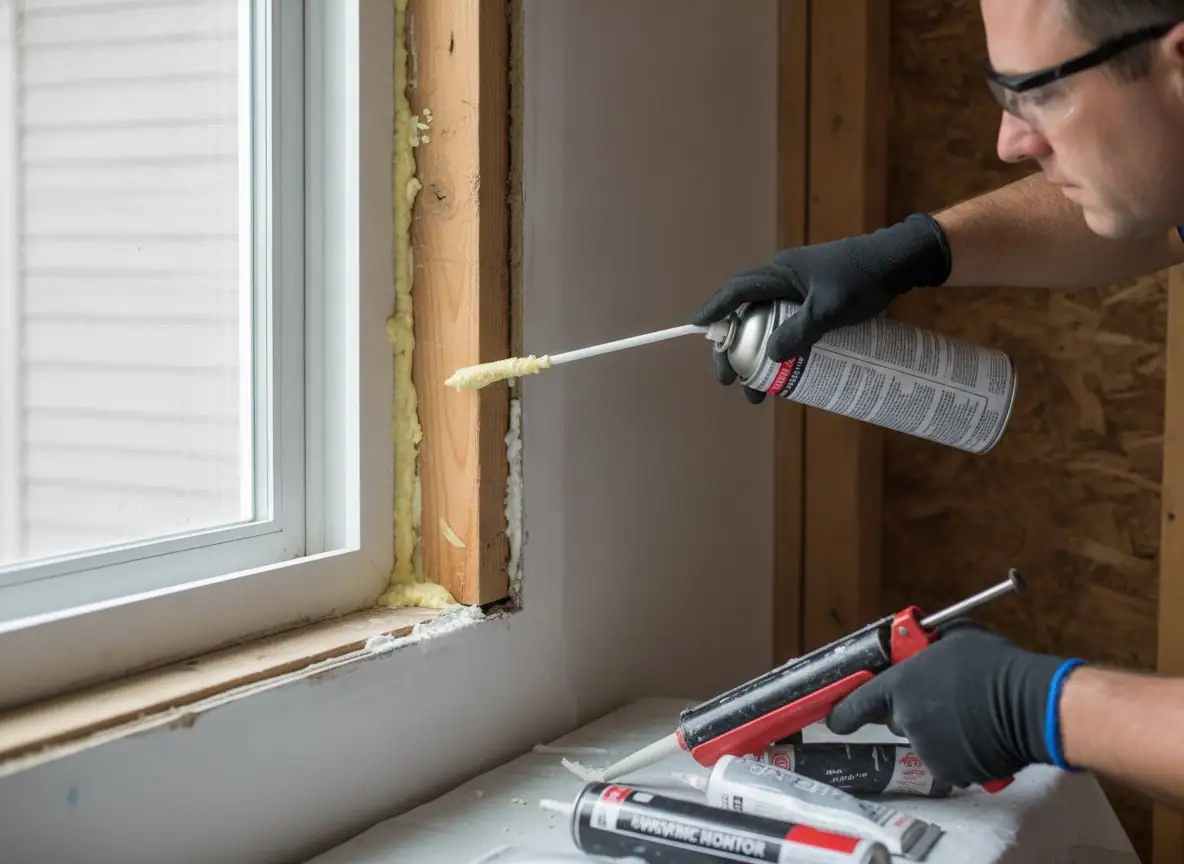
Before any insulation is installed, our crew seals all air gaps, penetrations, and cracks in the garage envelope using low-expansion spray foam and caulk. This air sealing step is critical in older Irvine homes from the 1970s–1980s, where settling has created
- 05
Insulation Installation (4–8 Hours)
We install your chosen insulation materials — fiberglass batts, spray foam, blown-in cellulose, or rigid foam board — according to manufacturer specifications and California energy code requirements. Garage door insulation panels are installed last to complete
- 06
Quality Inspection and R-Value Verification (1 Hour)
Our lead technician performs a post-installation inspection verifying full coverage, proper R-value achievement, and absence of compression or voids in batt materials. We document the completed installation for your records and any future permit applications.
- 07
Cleanup and Client Walkthrough (30 Minutes)
We remove all debris and packaging, restore your garage to its original condition, and walk you through the completed work, explaining maintenance tips and what to expect in terms of comfort improvements during Irvine’s upcoming seasonal transitions.
Garage Insulation Methods and Approaches
Spray Foam Insulation
Spray foam — available in open-cell and closed-cell formulations — is ideal for Irvine garages that require both air sealing and high R-value performance in a single application. Closed-cell spray foam achieves R-6 to R-7 per inch, making it the best choice for garage ceilings with limited depth and for shared walls between the garage and conditioned living space. It also provides a vapor barrier, which is particularly valuable in Irvine’s coastal-adjacent neighborhoods. Learn more about our spray foam insulation services
Learn moreFiberglass Batt Insulation
Fiberglass batts are a cost-effective solution for standard stud-framed garage walls with open cavities. They are well-suited to Irvine garages in newer developments like Stonegate and Portola Springs where wall framing is clean and accessible. Batts are available in R-13, R-15, R-19, and R-21 configurations to meet or exceed Title 24 minimums.
Blown-In Insulation
Blown-in cellulose or fiberglass is the preferred method for garage attic spaces and ceiling cavities where access is limited. For Irvine garages with finished ceilings that cannot be easily opened, blown-in insulation can be installed through small access holes that are patched after completion. Explore our blown-in insulation options
Rigid Foam Board Insulation
Rigid foam board is used to insulate garage doors and concrete masonry walls. Polystyrene and polyisocyanurate boards cut precisely to fit garage door panels deliver R-3 to R-6 improvement per panel — a significant upgrade for Irvine homes with uninsulated hollow steel garage doors that account for up to 30% of the garage’s total heat gain.
Crawl Space and Under-Slab Insulation
For garages built over crawl spaces — occasionally found in older Turtle Rock and University Park homes — we also offer crawl space insulation and crawl space encapsulation services to address heat and moisture infiltration from below.
Garage Insulation Cost in Irvine, CA
Understanding garage insulation costs helps Irvine homeowners plan their investment wisely. Pricing varies based on garage size, insulation type, existing conditions, and project complexity.
Typical Cost Ranges
- Single-car garage (basic fiberglass batt installation): $400 – $900
- Two-car garage (fiberglass batt, walls and ceiling): $800 – $1,800
- Two-car garage (closed-cell spray foam, walls and ceiling): $1,800 – $3,500
- Garage door insulation (per door, rigid foam panels): $150 – $400
- Blown-in ceiling insulation (two-car garage): $600 – $1,200
- Full garage insulation with air sealing (premium package): $2,500 – $5,000
Irvine-Specific Cost Factors
Labor costs in Irvine reflect Orange County’s higher cost of living. Older homes in Turtle Rock or University Park may require additional labor for insulation removal and replacement before new materials can be installed. Learn about our insulation removal services. Homes undergoing ADU conversions may need permit-ready documentation, which adds to administrative costs but is included in our project estimates.
Read moreShow less
Energy Savings Offset
Irvine homeowners with SoCal Edison service can expect to reduce cooling energy consumption by 10% to 25% after garage insulation, depending on baseline conditions. At Irvine’s average summer electricity rate of approximately $0.30–$0.40 per kWh, a properly insulated garage typically pays for itself in energy savings within three to six years.
Available Incentives
SoCal Edison’s Energy Efficiency programs and California’s Energy Upgrade California initiative offer rebates for qualifying insulation upgrades. Our team helps Irvine homeowners identify applicable rebates at the time of their free assessment.
Call (949) 710-2596 for a precise, no-obligation quote for your specific Irvine garage insulation project.
Irvine Neighborhoods We Serve
Turtle Rock
One of Irvine’s oldest planned villages, Turtle Rock was developed primarily in the 1970s and features custom and semi-custom homes with garages that were built to standards of that era — often with no wall insulation and minimal ceiling coverage. We frequently perform insulation removal and full replacement in Turtle Rock garages due to degraded fiberglass batts from decades of temperature cycling and pest intrusion.
Woodbury
Developed in the 2000s, Woodbury homes sit in one of Irvine’s warmer inland corridors, away from coastal marine layer influence. Garage interiors in Woodbury can reach 135°F on peak summer afternoons. We commonly install closed-cell spray foam in Woodbury garages to achieve maximum R-value and vapor control in this demanding thermal environment.
Portola Springs
Portola Springs is Irvine’s newest major village, with many homes built in the 2010s and 2020s. Despite newer construction, many garages still have under-insulated doors and ceiling assemblies that fall below optimal performance levels. We offer garage door insulation and blown-in ceiling upgrades designed to complement the existing insulation in these newer structures.
University Park
Built in the 1960s and 1970s near UC Irvine, University Park features a mix of attached and detached garages with original insulation that is long overdue for replacement. Marine layer humidity from the nearby campus area makes moisture management a priority in every University Park garage insulation project we undertake.
Garage Insulation Maintenance Tips for Irvine Homeowners
- Inspect insulation annually in October — before Santa Ana wind season — for signs of compression, moisture damage, or pest intrusion in walls and ceiling cavities.
- Check garage door seals and weatherstripping every spring, as Irvine’s dry summer heat degrades rubber seals rapidly, creating air infiltration points that undermine insulation performance.
- Monitor humidity levels during June Gloom season (May–August) using an inexpensive hygrometer. Garage humidity above 60% for extended periods signals a need for improved vapor sealing.
- Keep attic vents above the garage clear of debris, particularly after Santa Ana wind events that deposit dust and plant material in vent openings.
- Seal any new penetrations — for electrical, internet cable, or plumbing work — promptly using low-expansion spray foam to prevent thermal bridging.
- Avoid compressing insulation by stacking heavy storage items against insulated walls, as compression reduces R-value performance significantly.
- Schedule a professional re-inspection every five to seven years, or after any major renovation, to verify insulation integrity and identify areas where material has settled or degraded.
Why Choose Home Energy Saver Insulation for Garage Insulation in Irvine
Home Energy Saver Insulation has built a reputation throughout Orange County for delivering expert insulation solutions that are specifically calibrated to the climate conditions, building stock, and energy code requirements of communities like Irvine. We are not a national franchise applying one-size-fits-all solutions — we are a locally focused insulation contractor that understands the difference between a Turtle Rock home from 1975 and a Portola Springs home from 2018, and we treat each project accordingly.
Our team is trained in California’s Title 24 energy code compliance requirements, ensuring that every garage insulation project we complete will pass inspection for permitted renovations. We work with all major insulation systems — spray foam, fiberglass, blown-in cellulose, and rigid foam — and we help every homeowner select the right solution for their specific budget, goals, and garage configuration.
Read moreShow less
We also offer a full range of complementary services, including attic insulation, insulation replacement, and crawl space encapsulation, making us a single-source insulation partner for your entire home.
Call us at (949) 710-2596 to experience the Home Energy Saver Insulation difference.
FAQ
Frequently Asked Questions About Garage Insulation in Irvine, CA
How much does garage insulation cost in Irvine, CA?
Garage insulation costs in Irvine typically range from $400 for a basic single-car garage fiberglass batt installation to $5,000 or more for a full two-car garage spray foam project with air sealing and door insulation. Irvine’s higher labor costs compared to inland Southern California markets, combined with the premium materials often required for Climate Zone 8 performance, place most two-car garage projects in the $1,200 to $3,500 range. We provide free detailed quotes at (949) 710-2596.
Do I need a permit to insulate my garage in Irvine?
Simple garage insulation projects — adding insulation to existing open wall cavities — typically do not require a permit in Irvine. However, if your project involves a garage conversion to an ADU, a conditioned workspace, or involves structural modifications, Irvine’s building department will require permits and Title 24 compliance documentation. Our team can advise you on permit requirements during your free assessment.
What is the best type of insulation for an Irvine garage?
For inland Irvine neighborhoods like Woodbury and Portola Springs, where summer temperatures are most extreme, closed-cell spray foam offers the best combination of high R-value per inch and vapor control. For coastal-adjacent areas like Turtle Rock with higher humidity exposure, a combination of air sealing and fiberglass batts or open-cell spray foam often achieves excellent results at a more accessible price point.
How long does garage insulation installation take in Irvine?
Most Irvine residential garage insulation projects are completed in one day. A standard two-car garage with fiberglass batt installation and air sealing typically takes six to eight hours. Spray foam applications require a cure time of 24 hours before the space is fully accessible. We schedule around your calendar and keep disruption to your daily routine minimal.
Will garage insulation really lower my SoCal Edison bill?
Yes. Irvine homeowners consistently report measurable reductions in summer cooling costs after garage insulation — particularly when the garage shares a wall with an air-conditioned room. With SoCal Edison’s tiered pricing structure, where rates increase significantly as consumption rises above baseline allocation, reducing heat gain from the garage can keep your household in lower price tiers during peak summer months.
Can I insulate my garage myself, or should I hire a professional?
While fiberglass batt installation is within the skill range of experienced DIYers, spray foam application requires professional equipment, training, and safety gear. More importantly, achieving proper air sealing — which accounts for a significant portion of garage energy loss — requires professional expertise. Improperly installed insulation can trap moisture, reduce fire resistance, and fail Title 24 inspections. For Irvine homeowners, professional installation ensures compliance, performance, and warranty-backed results.
Does garage insulation help with noise as well as temperature?
Absolutely. In Irvine’s denser planned communities where homes sit close together — particularly in villages like Quail Hill and Northwood — garage insulation also provides meaningful acoustic buffering. Spray foam and dense-pack blown-in insulation are especially effective at reducing noise transmission through shared walls, making them excellent choices for garages adjacent to bedrooms or home offices.
How do I know if my existing garage insulation needs to be replaced?
Signs that your Irvine garage insulation needs replacement include visible moisture damage or mold on batts, insulation that has compressed or settled by more than 25% of its original thickness, pest damage (particularly from rats or mice that are documented in the Irvine Great Park area), and performance issues such as adjacent rooms consistently exceeding target temperatures. We offer professional insulation removal and replacement services throughout Irvine. Call (949) 710-2596 for an evaluation.
Get a Free Garage Insulation Quote in Irvine Today
If your Irvine garage is making your home uncomfortable, driving up your SoCal Edison bill, or failing to meet California Title 24 standards, Home Energy Saver Insulation is ready to help. Our expert team serves Irvine and all of Orange County with professional garage insulation services designed for our unique climate, building stock, and energy code environment.
Whether you’re in Turtle Rock, Woodbury, Portola Springs, University Park, or any other Irvine neighborhood, we deliver fast, clean, and effective insulation solutions at competitive Orange County pricing.
Call us today at (949) 710-2596 to schedule your free, no-obligation garage insulation assessment. You can also reach us online to request a quote. Serving Irvine and all of Orange County — including Fountain Valley, Huntington Beach, Newport Beach, Mission Viejo, and beyond.
Get in touch
Find insulation help near you
Request a free estimate online or give us a call — our team will follow up quickly.
- Call us(949) 710-2596
- Visit22 Thomas, Irvine, CA 92618
- HoursMon-Sun 07:00-19:00