
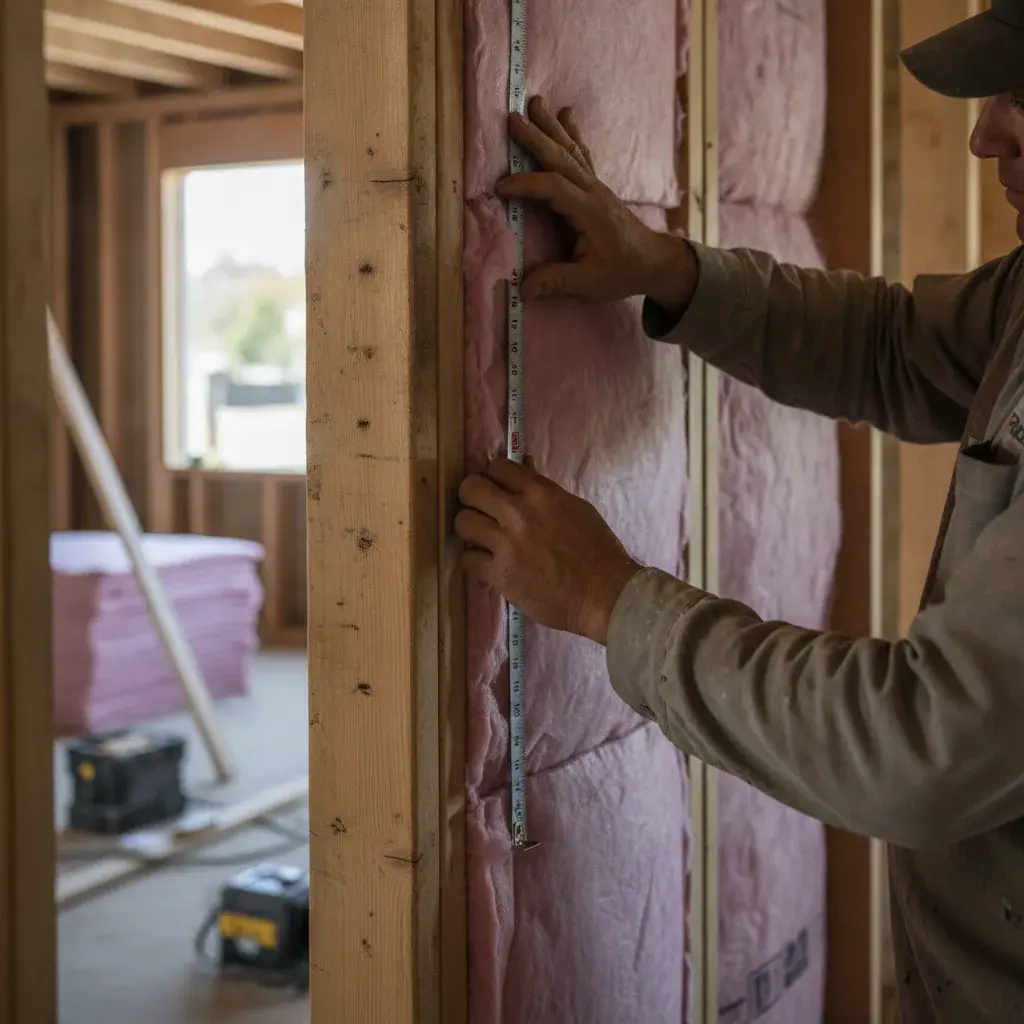
Wall Insulation in Irvine, CA
Energy-Saving Wall Insulation for Irvine, CA Homes — Licensed & Insured
Expert wall insulation in Irvine, CA. Home Energy Saver serves all Irvine neighborhoods. Call (949) 710-2596 for a free estimate today.
Wall insulation is the process of installing thermal and acoustic barrier materials within the interior and exterior walls of a home or commercial building to regulate indoor temperature, reduce energy consumption, and improve overall comfort. For Irvine homeowners, wall insulation is not a luxury — it is a practical necessity shaped by the region’s warm Mediterranean climate, coastal humidity fluctuations, and the prevalence of tract-built homes that were constructed during Irvine’s rapid development boom of the 1970s through the 2000s.
At Home Energy Saver Insulation, we specialize in delivering professional wall insulation solutions tailored specifically to the building styles, climate conditions, and energy codes that define Irvine, CA. Whether you own a newer planned community home in Woodbridge, an older residence near the UCI campus corridor, or a commercial property in the Irvine Spectrum area, our team brings deep local knowledge and technical expertise to every project. Call us today at (949) 710-2596 to schedule your assessment.
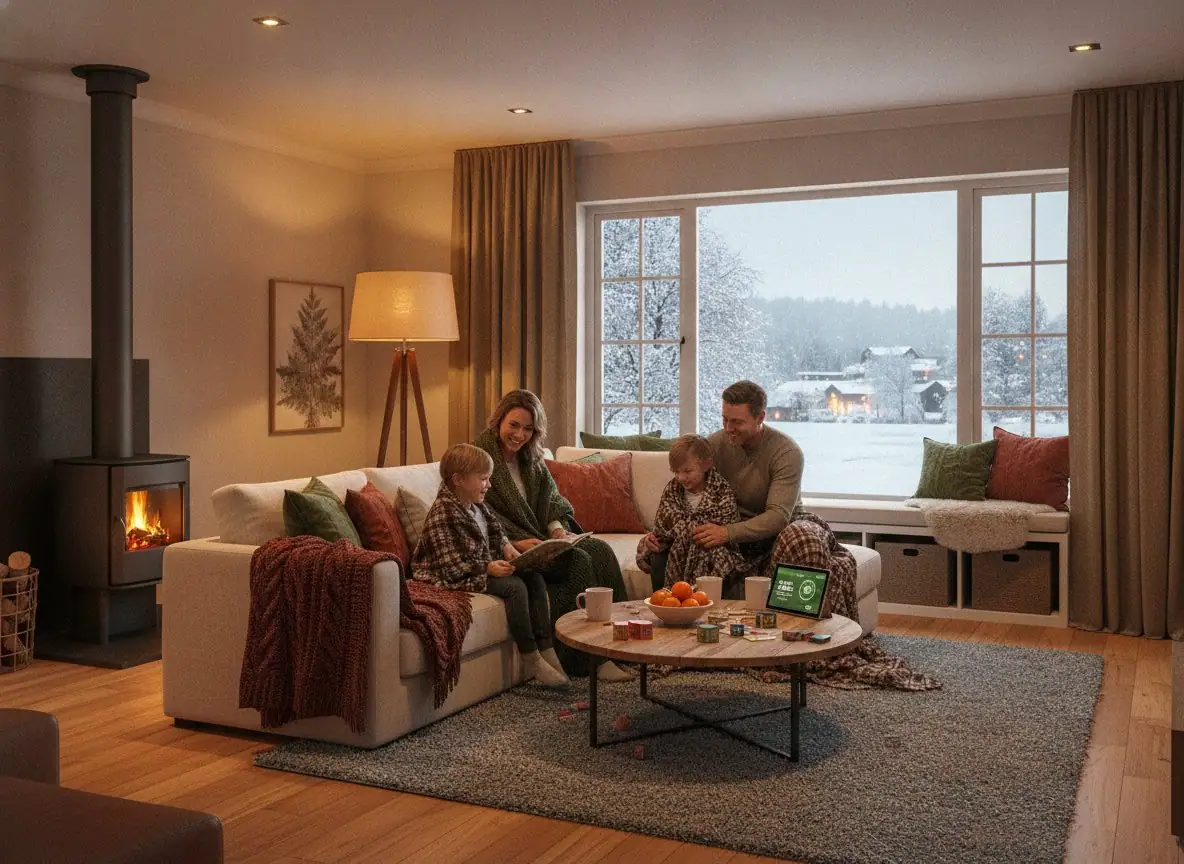
Understanding Wall Insulation in Irvine, CA
Wall insulation refers to the installation of thermally resistant materials — such as spray foam, blown-in cellulose, fiberglass batts, or rigid foam boards — into the cavity spaces within a building’s wall assembly. The goal is to create a consistent thermal envelope that slows heat transfer between the interior living space and the outdoor environment. In practical terms, this means your air conditioner runs less frequently in Irvine’s summers and your heating system works more efficiently during cooler coastal winter nights.
Historically, insulation standards in Southern California lagged behind colder states because the moderate climate made extreme cold protection less urgent. However, as energy costs climbed through the 1980s and 1990s and California’s Title 24 Building Energy Efficiency Standards became increasingly stringent, insulation became a code-driven requirement for new construction and a high-priority upgrade for older stock. Irvine’s massive planned community development, largely orchestrated by the Irvine Company beginning in the late 1960s, produced tens of thousands of residential units across multiple decades — many of which were built to the minimum insulation standards of their era.
Read moreShow less
Modern wall insulation systems use materials rated by R-value, a measurement of thermal resistance. California’s Title 24 currently recommends wall insulation of at least R-13 to R-21 for Climate Zone 8, which encompasses Irvine. Many homes built before 1990 fall well below this threshold, with some containing only R-11 or even no insulation in certain wall cavities.
Beyond thermal performance, wall insulation also plays a critical role in acoustic separation — particularly important in Irvine’s dense master-planned neighborhoods where homes are often built close together. Sound-dampening insulation materials help reduce noise transmission between shared walls, adjacent rooms, and exterior traffic corridors such as those near the I-405, I-5, and SR-133 corridors that bisect the city.
Irvine’s housing stock includes a wide variety of building types: single-family stucco homes, two-story townhomes, wood-frame condominiums, and newer steel-framed mixed-use structures. Each building type requires a different approach to wall insulation, making local expertise an essential component of any successful project.
Why Wall Insulation Is Needed in Irvine, CA
Irvine sits within USDA Plant Hardiness Zone 10a and falls under California’s Building Energy Efficiency Climate Zone 8, a designation that reflects its distinctive blend of warm, dry summers and mild but occasionally chilly winters influenced by marine air from the Pacific Ocean just 10 miles to the west. Average summer highs in Irvine regularly reach 85°F to 95°F between June and September, while inland Santa Ana wind events — which can push temperatures well above 100°F — create sudden, intense thermal loads on building envelopes that are unprepared for the stress.
The Santa Ana wind events are a particularly notable local factor. These hot, dry offshore winds typically occur from October through March and can raise temperatures in Irvine by 15°F to 25°F within a matter of hours. During the October 2007 wildfires and again during the October 2019 Saddle Ridge Fire, Irvine experienced sustained Santa Ana conditions that exposed the vulnerability of older homes with inadequate insulation — not only to heat transfer but also to smoke infiltration through wall gaps and unsealed cavities.
Read moreShow less
The coastal marine layer that blankets much of Irvine through late spring and early summer — locally known as “June Gloom” — introduces daily humidity cycles that can cause moisture to accumulate inside poorly sealed wall cavities. This is especially relevant in neighborhoods closest to the coast, such as those near Quail Hill and the Shady Canyon area, where marine influence is more pronounced. Without proper vapor management as part of the wall insulation system, this cyclical moisture can promote mold growth and wood rot inside wall assemblies.
Irvine’s soil composition also plays a role in wall performance. Much of the city sits atop Capistrano Formation soils and clay-heavy expansive soils that shift seasonally with moisture changes. These soil movements can create micro-cracks in stucco and drywall over time, allowing conditioned air to escape and unconditioned air to enter through wall penetrations. Neighborhoods built on the hillside terrain of Turtle Rock and Shady Canyon are particularly susceptible to this phenomenon.
Energy costs in Southern California are among the highest in the nation. Southern California Edison’s tiered rate structure means that households consuming above baseline usage in Irvine can pay $0.42 to $0.58 per kilowatt-hour or more during peak summer months. Inadequate wall insulation forces HVAC systems to cycle continuously to maintain setpoint temperatures, pushing energy bills into the upper tiers rapidly. Studies from the California Energy Commission indicate that upgrading wall insulation in a typical 1,800-square-foot Irvine home from R-11 to R-21 can reduce annual HVAC-related energy consumption by 15% to 25%.
Neighborhoods near the Irvine Business Complex and along Alton Parkway also contend with elevated exterior noise from commercial traffic, which makes acoustic wall insulation an equally important consideration alongside thermal performance for residential properties in those corridors.
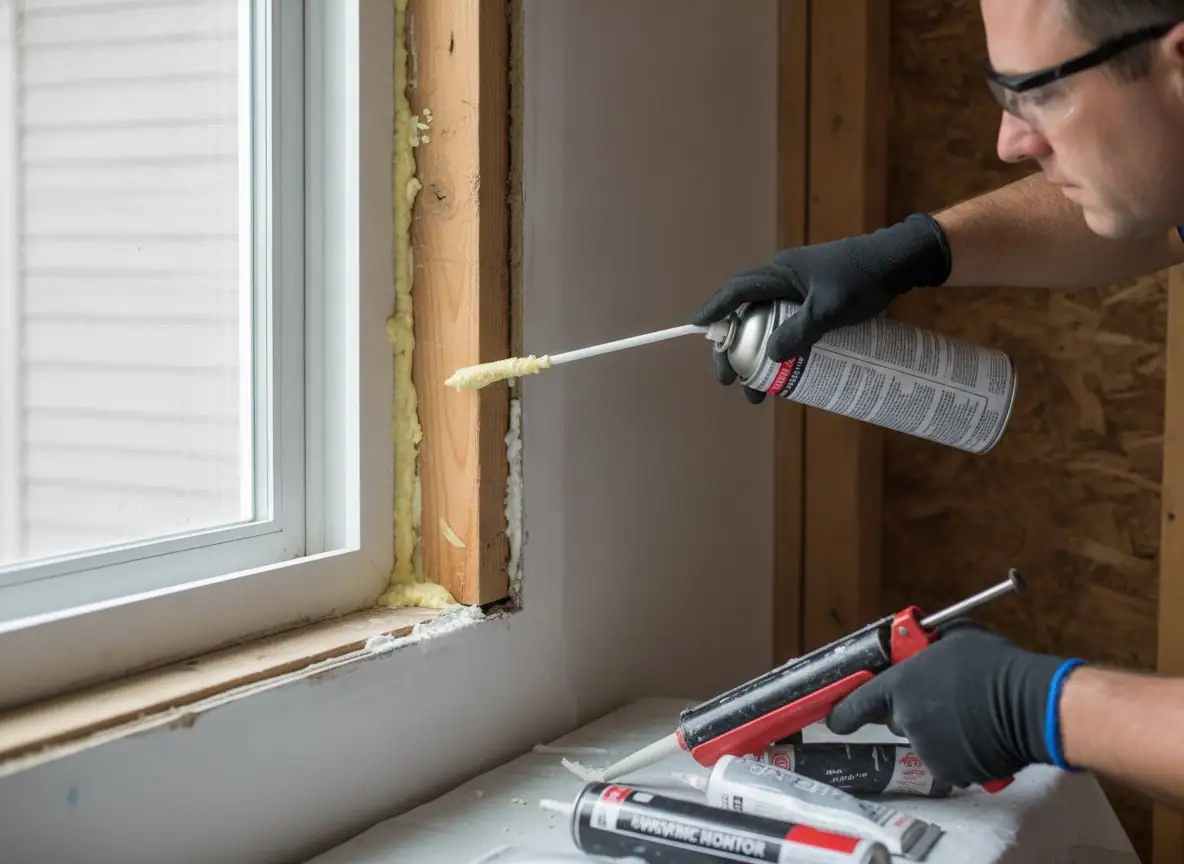
Free, no-obligation estimates
Talk to Home Energy Saver Insulation
Tell us what you need and we’ll take it from there.
Signs You Need Wall Insulation in Irvine
Energy and Comfort Indicators
- Monthly electricity bills consistently exceeding $200 to $350 during summer months despite moderate thermostat settings
- Rooms that feel noticeably hotter or colder than adjacent spaces, particularly on south- and west-facing walls that absorb afternoon sun
- HVAC system running continuously without reaching the desired indoor temperature set point
- Cold wall surfaces to the touch during winter evenings, indicating minimal thermal resistance in the wall cavity
Moisture and Structural Signs
- Visible efflorescence, staining, or bubbling paint on interior walls — particularly in rooms facing the ocean on the western side of Irvine
- Musty odors emanating from wall areas, suggesting condensation and potential mold growth inside cavities
- Peeling wallpaper or drywall tape lifting at seams, especially in bathrooms and kitchens adjacent to exterior walls
Acoustic and Age-Related Indicators
- Clearly audible street noise from I-405 or Irvine Center Drive traffic inside living areas
- Home built before 1990 with no record of wall insulation upgrades
- Visible gaps or daylight around electrical outlets on exterior walls when covers are removed
Urgency Note: If you notice moisture staining combined with musty odors, contact us immediately. Active moisture in wall cavities can lead to mold colonies within 24 to 48 hours in Irvine’s warmer months.
Our process
Our Wall Insulation Process in Irvine
- 01
Initial Assessment and Energy Audit (Day 1 — 1 to 2 Hours)
Our certified insulation specialist visits your Irvine property to conduct a comprehensive assessment. We use infrared thermal imaging cameras to identify cold or hot spots in existing wall assemblies, locate air bypasses around electrical outlets and plumbing
- 02
Moisture and Mold Pre-Check (Day 1 — 30 Minutes)
Given Irvine’s seasonal humidity cycles from marine layer intrusion, we conduct a moisture meter assessment of accessible wall areas before any insulation is installed. If moisture readings exceed 16% in wood framing or show elevated levels in drywall, we reco
- 03
Scope and Proposal Development (Day 1 to Day 2)
We prepare a written project scope detailing the insulation material selected, target R-value, square footage of wall area to be treated, and any preparatory work required. We align our recommendations with California Title 24 Climate Zone 8 requirements and a
- 04
Material Selection and Scheduling (Day 2 to Day 3)
Based on the assessment findings, we select the optimal insulation material and schedule the installation crew. For occupied Irvine homes, we typically schedule work in 4- to 8-hour blocks to minimize disruption. For larger whole-home projects, installation sp
- 05
Wall Preparation and Access (Installation Day — 1 to 2 Hours)
For retrofit applications in existing homes, we use a drill-and-fill method — creating 2-inch access holes in stucco or drywall at cavity intervals — or open-wall installation during remodeling. Electrical outlets and switches on exterior walls are temporarily
- 06
Insulation Installation (Installation Day — 3 to 6 Hours)
Our crew installs the selected insulation material using calibrated equipment to ensure consistent density and coverage throughout every wall cavity. We verify fill completeness using borescope cameras in closed-cavity applications and check that all air seali
- 07
Patching, Cleanup, and Final Inspection (Installation Day — 1 to 2 Hours)
All access holes are patched and textured to match the existing wall surface. For stucco exteriors, we apply color-matched patching compound to minimize visual evidence of drilling. A final walkthrough with the homeowner confirms all work areas are clean and t
Wall Insulation Methods We Use in Irvine
Blown-In Fiberglass or Cellulose (Retrofit Drill-and-Fill)
This is the most commonly used method for existing Irvine homes with closed wall cavities. Small holes are drilled into the wall cavity bays, and loose-fill insulation is blown in under pressure to completely fill the space. Blown-in cellulose achieves approximately R-3.5 per inch and is made from recycled content, making it a popular choice among environmentally conscious Irvine homeowners. Learn more about our blow-in insulation services
Spray Foam Insulation
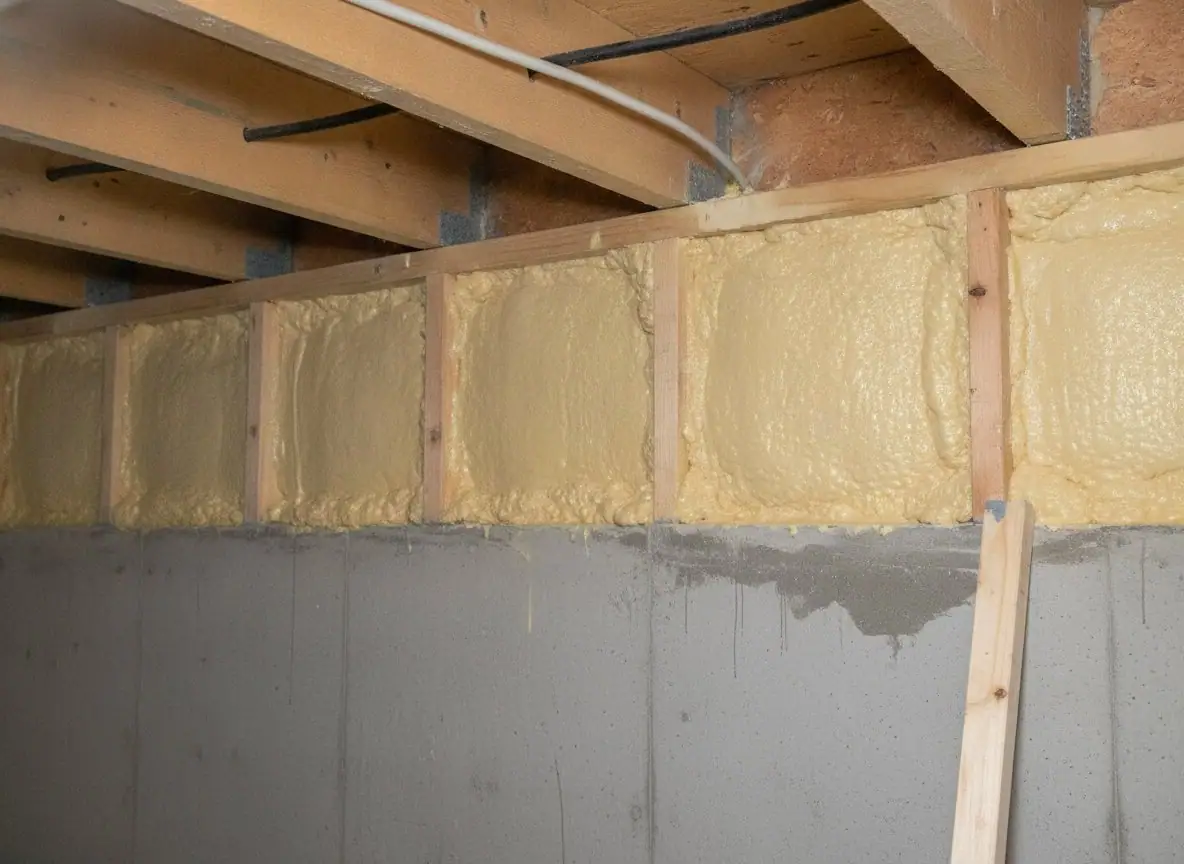
Open-cell or closed-cell spray polyurethane foam is ideal for new construction, gut-renovation projects, or areas where both insulation and air sealing are critical in a single application. Closed-cell spray foam delivers R-6 to R-7 per inch and also functions as a vapor retarder — particularly valuable in Irvine wall assemblies that face persistent coastal humidity. Explore our spray foam insulation options
Learn moreFiberglass Batt Insulation
In open-wall conditions — such as during kitchen or bathroom remodels — fiberglass batts are a cost-effective solution for standard 2×4 or 2×6 stud framing. R-13 batts fit standard 2×4 framing, while R-19 or R-21 batts suit 2×6 construction more common in Irvine homes built after 1990. View our full insulation installation services
Learn moreInsulation Removal and Replacement
Older Irvine homes sometimes contain deteriorated, compressed, or rodent-damaged insulation in wall cavities that must be removed before new material is installed. We provide complete removal services using HEPA-filtered vacuum equipment before installing fresh, code-compliant insulation. Learn about our insulation removal process
Learn moreWall Insulation Cost in Irvine, CA
The cost of wall insulation in Irvine varies based on the insulation method selected, the square footage of wall area treated, accessibility of wall cavities, and the condition of existing insulation. Below are general pricing benchmarks for the Irvine market as of 2024:
- Blown-In Fiberglass or Cellulose (Retrofit): $1.50 to $3.00 per square foot of wall area, or approximately $1,800 to $4,500 for an average 1,500 to 2,000 sq ft Irvine home
- Open-Cell Spray Foam: $1.00 to $1.50 per board foot, typically $2,500 to $5,500 for a whole-home wall application
- Closed-Cell Spray Foam: $1.75 to $3.00 per board foot, with whole-home projects ranging from $4,000 to $9,000 depending on wall thickness
- Fiberglass Batt (Open Wall): $0.50 to $1.25 per square foot installed, with a typical remodel room running $300 to $900
- Insulation Removal (Prior to Replacement): $1.00 to $2.00 per square foot, depending on material type and cavity access
Read moreShow less
Factors Affecting Your Irvine Project Cost
- Wall construction type (wood stud vs. steel stud, which is more common in newer Irvine commercial and mixed-use buildings)
- Exterior finish — stucco patching after drill-and-fill adds to overall cost compared to interior drywall access
- Number of wall penetrations (electrical, plumbing, HVAC ducts) requiring air sealing
- Presence of existing deteriorated insulation requiring removal
- California rebates through Southern California Edison’s Energy Savings Assistance Program may offset costs for eligible Irvine households
Contact us at (949) 710-2596 for a no-obligation site assessment and detailed written estimate specific to your Irvine property.
Irvine Neighborhoods We Serve
Woodbridge
One of Irvine’s oldest master-planned villages, Woodbridge features predominantly wood-frame homes built between 1975 and 1995. Many properties in this neighborhood have original R-11 or lower wall insulation that no longer meets California’s current Title 24 standards. We frequently perform drill-and-fill blown-in upgrades in Woodbridge to bring these homes into compliance and reduce energy costs.
Turtle Rock
Situated on elevated terrain in the hills above central Irvine, Turtle Rock homes face greater wind exposure and more significant soil movement from expansive clay soils beneath the hillside. This combination accelerates micro-cracking in stucco facades and increases air infiltration through wall assemblies. Spray foam insulation with integrated air sealing is particularly effective in this neighborhood.
Northwood
Northwood’s housing stock spans from late 1980s construction through early 2000s builds, offering a range of insulation starting points. Homes closest to the Jeffrey Open Space Trail corridor benefit from additional acoustic insulation to buffer trail and school activity noise.
University Park
Clustered near the UC Irvine campus, University Park contains some of Irvine’s earliest housing — many built in the late 1960s and early 1970s with minimal insulation by today’s standards. Full-wall insulation replacement projects are common in this neighborhood, and we frequently coordinate with homeowners undertaking kitchen or bath remodels to address adjacent exterior wall cavities simultaneously.
Wall Insulation Maintenance Tips for Irvine Homeowners
- Inspect stucco annually: Walk the exterior perimeter of your Irvine home each fall before Santa Ana wind season and look for new cracks, gaps around windows, or areas where caulking has pulled away. These openings allow conditioned air to escape through wall cavities.
- Seal electrical outlets on exterior walls: Install foam gaskets behind outlet and switch covers on any wall that faces the outdoors. This simple step can reduce air infiltration by 10% to 20% in older Irvine homes.
- Monitor indoor humidity levels: During June Gloom season, maintain indoor relative humidity between 40% and 55% to discourage condensation inside wall cavities. A basic digital hygrometer costs under $20 and provides valuable ongoing data.
- Check for pest activity around wall bases: In Irvine’s warmer climate, ants and other insects can disturb loose-fill insulation in wall cavities. Report any pest activity near exterior walls to a pest control professional promptly.
- Assess insulation after any plumbing or electrical work: Contractors cutting into wall cavities for repairs may leave insulation disturbed or compressed. Ask us to perform a post-repair inspection if work was done inside exterior walls.
- Review energy bills seasonally: Significant spikes in July through September or December through February without changes in behavior may indicate insulation degradation or new air bypasses in wall assemblies.
- Reapply exterior caulking every 3 to 5 years: Irvine’s UV exposure and thermal cycling degrade exterior sealants. Fresh caulking around window frames, door frames, and utility penetrations extends the effective life of your wall insulation system.
Why Choose Home Energy Saver Insulation in Irvine
Home Energy Saver Insulation is a locally focused insulation contractor serving Irvine and the broader Orange County region. Our technicians have direct, hands-on experience with the specific building types, climate challenges, and energy code requirements that define the Irvine market — from the post-war tract homes of University Park to the newer mixed-use developments rising near the Irvine Spectrum Center.
We are deeply familiar with California Title 24 Climate Zone 8 compliance requirements, the Southern California Edison rebate programs available to Irvine homeowners, and the soil and moisture conditions that affect wall performance across the city’s diverse neighborhoods. This local expertise means we do not apply a one-size-fits-all solution — every recommendation we make is grounded in conditions specific to your property and your neighborhood.
Read moreShow less
Our service portfolio covers the full spectrum of insulation needs: insulation installation, spray foam insulation, attic insulation, blow-in insulation, crawl space encapsulation, crawl space insulation, insulation removal, and insulation replacement. Call (949) 710-2596 to speak with a local specialist today.
FAQ
Frequently Asked Questions: Wall Insulation in Irvine, CA
How much does wall insulation cost in Irvine, CA?
Wall insulation costs in Irvine typically range from $1,800 to $9,000 for a whole-home project, depending on the method used and the size of the home. Blown-in retrofit insulation is generally the most affordable option for existing homes, while closed-cell spray foam is the premium option offering both insulation and vapor control in one application. Request a free on-site estimate by calling (949) 710-2596.
How long does wall insulation installation take in an existing Irvine home?
Most retrofit wall insulation projects in Irvine single-family homes can be completed in one to two days. Smaller projects targeting specific rooms or walls may be finished within four to six hours. Open-wall projects during remodels can often be completed in a single day.
Do Irvine homes need wall insulation even in a mild climate?
Yes. While Irvine’s winters are mild, summer temperatures routinely reach the upper 80s to mid-90s°F, and Santa Ana wind events can push temperatures above 100°F. Inadequate wall insulation forces air conditioning systems to run far longer than necessary, resulting in significantly higher electricity bills under Southern California Edison’s tiered rate structure.
Will drilling into my stucco walls for blown-in insulation damage the exterior?
Our technicians are experienced with stucco patching and use color-matched patching compounds to repair all access holes. While the patch points may be slightly visible immediately after the work, they typically blend into the stucco texture within one to two weathering cycles. We treat stucco repair as a standard part of every retrofit project in Irvine.
What R-value do Irvine walls need to meet California Title 24?
California Title 24 for Climate Zone 8, which includes Irvine, requires a minimum of R-13 for 2×4 framed walls and R-19 to R-21 for 2×6 framed walls in new construction. Existing homes undergoing permitted renovation work may also need to meet current standards. Many Irvine homes built before 1990 have wall insulation below R-13 and benefit significantly from upgrading.
Can wall insulation help reduce noise from traffic near I-405 or major Irvine streets?
Yes. Dense-pack cellulose and open-cell spray foam are particularly effective at reducing sound transmission through wall assemblies. Irvine homes near the I-405, I-5, or SR-133 corridors, as well as those adjacent to commercial zones along Alton Parkway or Jamboree Road, frequently see meaningful improvements in acoustic comfort after wall insulation upgrades.
Is there financial assistance available for wall insulation in Irvine?
Income-qualified Irvine residents may be eligible for Southern California Edison’s Energy Savings Assistance Program, which provides free or subsidized insulation upgrades. Additionally, federal tax credits under the Inflation Reduction Act allow eligible homeowners to claim 30% of insulation costs up to $1,200 annually. We can help you identify programs you may qualify for during your consultation.
What is the difference between wall insulation and attic insulation? Do I need both?
Wall insulation addresses heat transfer through the vertical building envelope — the exterior walls surrounding your living space. Attic insulation addresses heat transfer through the ceiling plane between your living area and the unconditioned attic space. In Irvine, both are important: the roof and attic are primary entry points for summer heat gain, while walls are the primary pathway for air infiltration and nighttime heat loss. A complete thermal envelope addresses both. Learn more about our attic insulation services
Get Your Free Wall Insulation Assessment in Irvine Today
If your Irvine home is uncomfortable, your energy bills are climbing, or your property was built before 1995, there is a strong probability that your wall insulation is not performing at the level you need. Home Energy Saver Insulation is ready to help you identify the gaps, recommend the right solution, and complete the installation efficiently and professionally — with results you will notice on your next SCE bill.
Serving Irvine and all of Orange County — including Woodbridge, Turtle Rock, Northwood, University Park, Shady Canyon, and surrounding communities — our team is standing by to provide your no-obligation consultation.
Call us now at (949) 710-2596 or contact us online to schedule your free on-site wall insulation assessment. Comfortable, energy-efficient living in Irvine starts with the right insulation — and it starts today.
Get in touch
Find insulation help near you
Request a free estimate online or give us a call — our team will follow up quickly.
- Call us(949) 710-2596
- Visit22 Thomas, Irvine, CA 92618
- HoursMon-Sun 07:00-19:00